Emergency HVAC Service in Rochester NY & Nearby Areas: When to Call (24/7) + What to Do First
When your heat stops in the middle of a Rochester winter night—or your AC quits during a hot stretch—comfort can turn into a real problem fast. MGM Heating & Cooling provides 24/7 emergency HVAC service for Rochester and surrounding communities, so you can get urgent help when it can’t wait.
This guide covers what counts as an HVAC emergency, what you can safely do before a technician arrives, and when to call for 24/7 emergency service in the Greater Rochester area.
Need emergency HVAC help right now?
Or visit
What counts as an HVAC emergency?
Common HVAC emergencies include:
-
No heat during freezing weather (or indoor temperatures dropping quickly).
-
No cooling during extreme heat, especially for seniors, infants, or anyone with medical risk.
-
Burning smell, smoke, or electrical odor.
-
Carbon monoxide (CO) alarm or suspected venting/combustion issue.
-
Significant water leaks that could damage ceilings, floors, or electrical components.
-
Repeated breaker trips when the HVAC system starts.
-
Loud mechanical noises (grinding/banging) suggesting a failing motor or blower.
If you’re not sure whether it’s an emergency, it’s better to call and ask—catching a problem early can prevent bigger damage and higher repair costs.
Emergency vs. urgent vs. can wait (quick guide)
Use this quick “decision filter”:
Emergency (call now):
-
Any safety concern (smoke, burning smell, electrical odor).
-
CO alarm or suspected combustion/venting problem.
-
Major water leak near equipment or ceilings/walls.
-
No heat during freezing weather or vulnerable occupants in the home.
-
No AC during extreme heat with vulnerable occupants.
Urgent (same-day if possible):
-
System short cycling (turns on/off rapidly).
-
Weak airflow + indoor temperature changing fast.
-
Ice on AC lines or indoor coil.
-
Sudden loud noises that weren’t there yesterday.
Can often wait for standard service (depending on weather):
-
Routine maintenance or tune-ups.
-
Mild comfort issues during moderate weather.
-
Thermostat programming questions (unless it’s stopping the system from running).
What to do first (safe steps before we arrive)
You can do a few safe checks, but don’t take risks around gas or electrical components.
1) If you smell burning or see smoke
Turn the system off at the thermostat. If it’s safe, shut off power at the breaker. Don’t keep trying to restart the equipment. Then call emergency service.
2) If a carbon monoxide (CO) alarm is sounding
Leave the home immediately and contact emergency services. After everyone is safe, call an HVAC professional to inspect the equipment before using it again.
3) If you see water leaking
Turn the system off and contain the leak with towels/buckets. Avoid standing water near electrical components, then call for emergency service.
4) If the AC isn’t cooling and you see ice
Turn cooling off and set the thermostat fan to “On” to help thaw the coil. Icing can be caused by airflow issues, refrigerant problems, or other failures, and it needs a technician.
5) If you have no heat
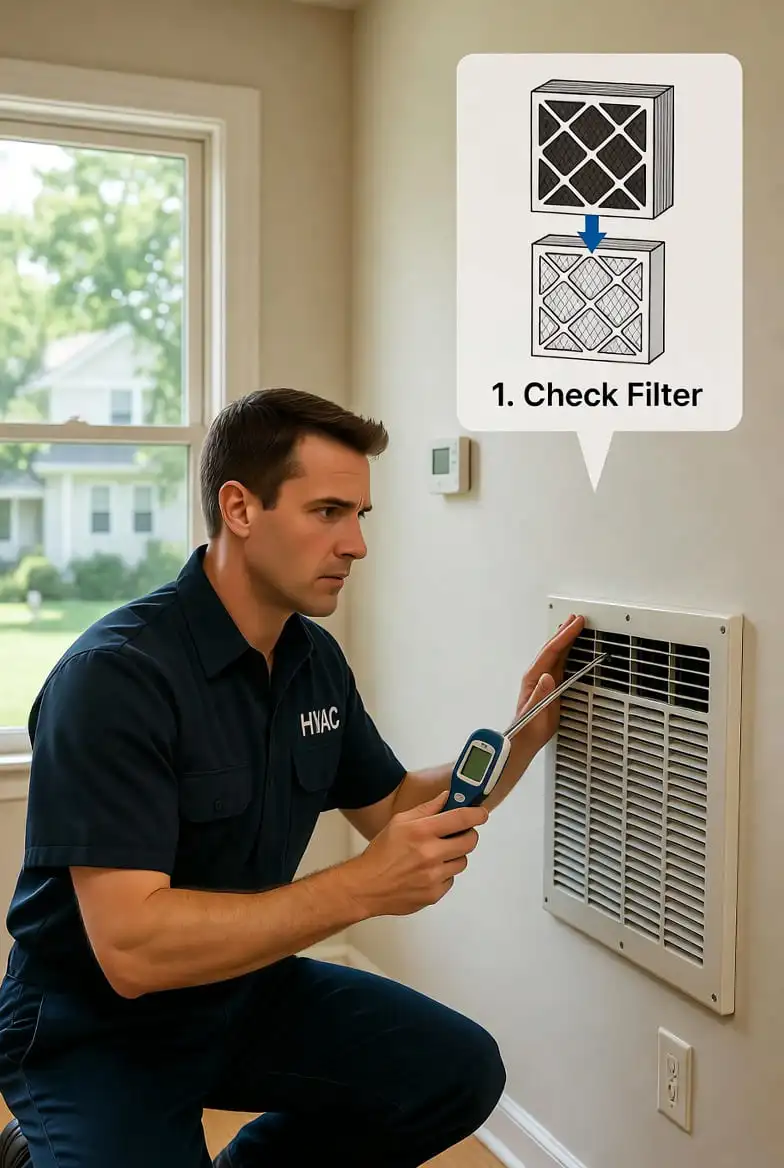
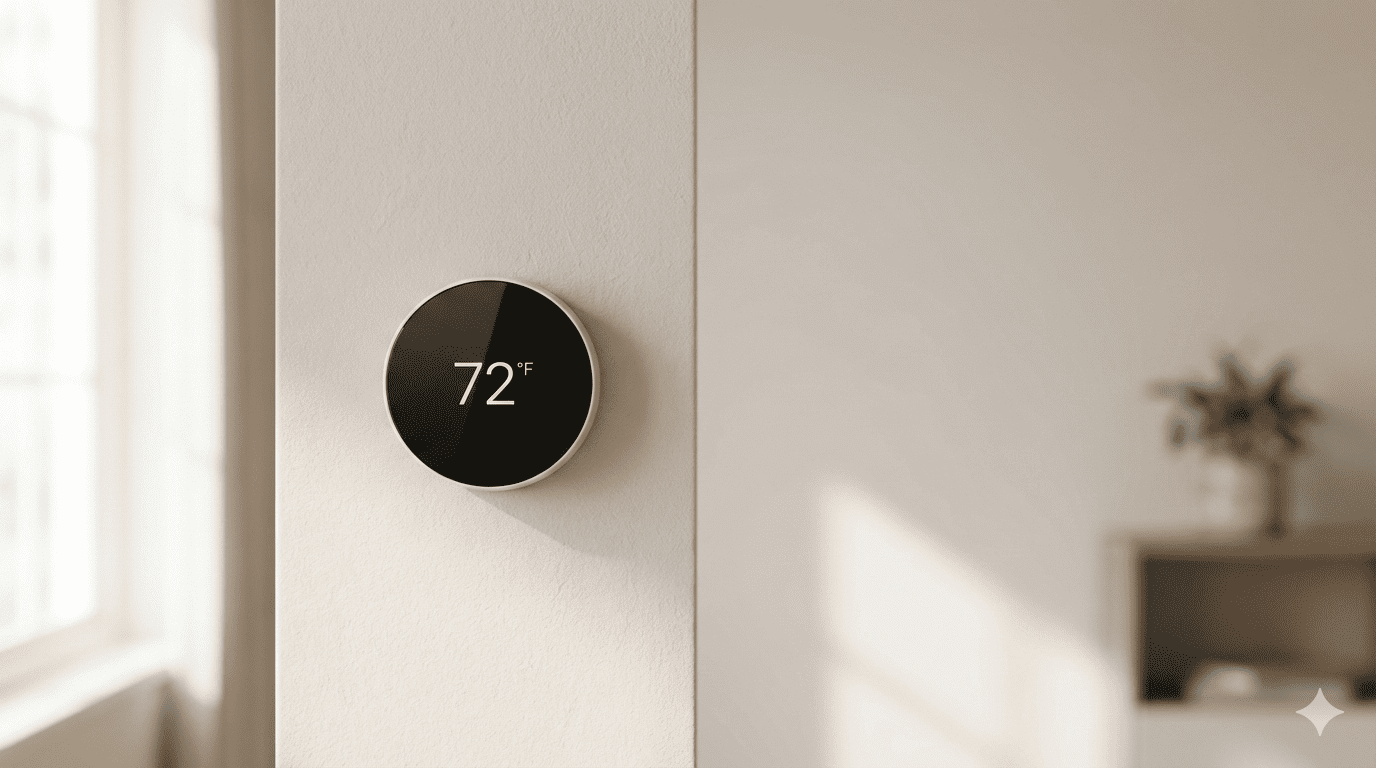
Check the thermostat mode (Heat), setpoint, and batteries (if applicable). Check the breaker and any visible service switch near the furnace. If it still won’t run, call for emergency heating repair.
What happens during a 24/7 emergency HVAC call?
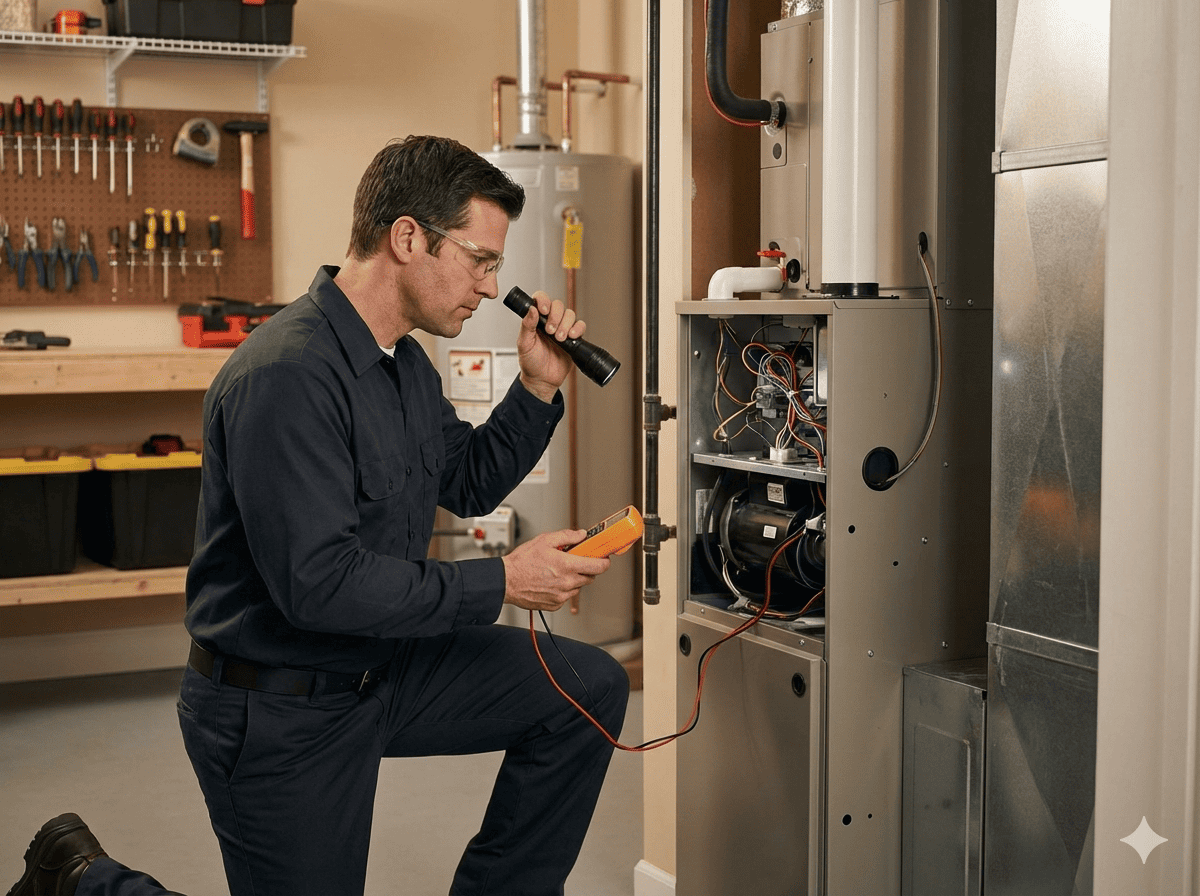
When you call MGM Heating & Cooling, we’ll ask a few quick questions to understand the situation and help you take immediate next steps. We’ll then schedule the earliest available visit and arrive ready to diagnose the issue.
Many emergency repairs can be completed the same day when parts are available. If a specific part is needed, we’ll explain options clearly and outline the fastest path to restore comfort safely.
Tip: If you can, tell us your equipment type (furnace/boiler/heat pump/central AC/ductless), any error codes, and what you noticed right before it stopped working—this can speed up the diagnosis.
Common emergency situations (and what they usually mean)
No heat (furnace or heat pump)
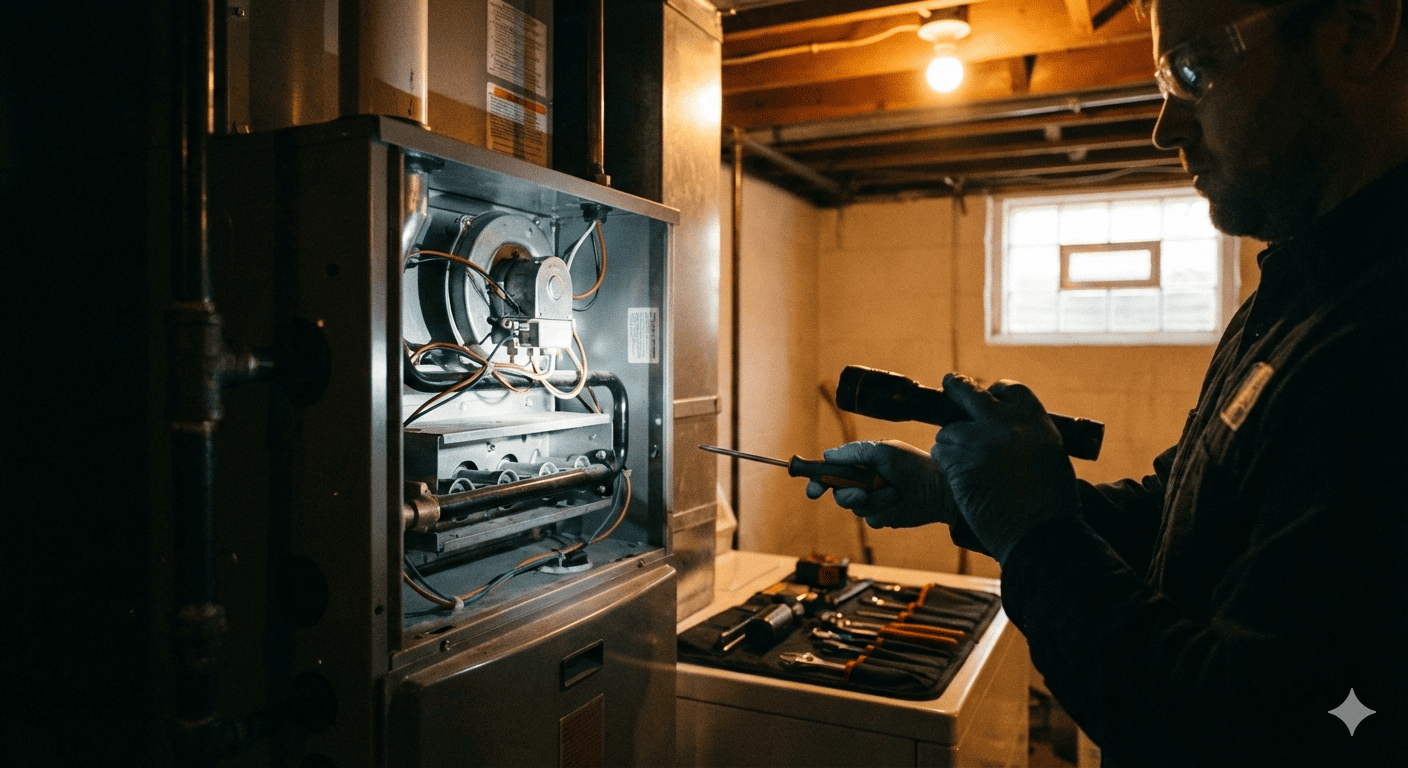
No-heat calls are common in winter and can be caused by ignition/safety controls, airflow problems, thermostat/power issues, or a failed part. Because indoor temperatures can drop quickly in cold weather, it’s smart to call early instead of waiting until the home is already very cold.
No cooling (central AC or ductless)
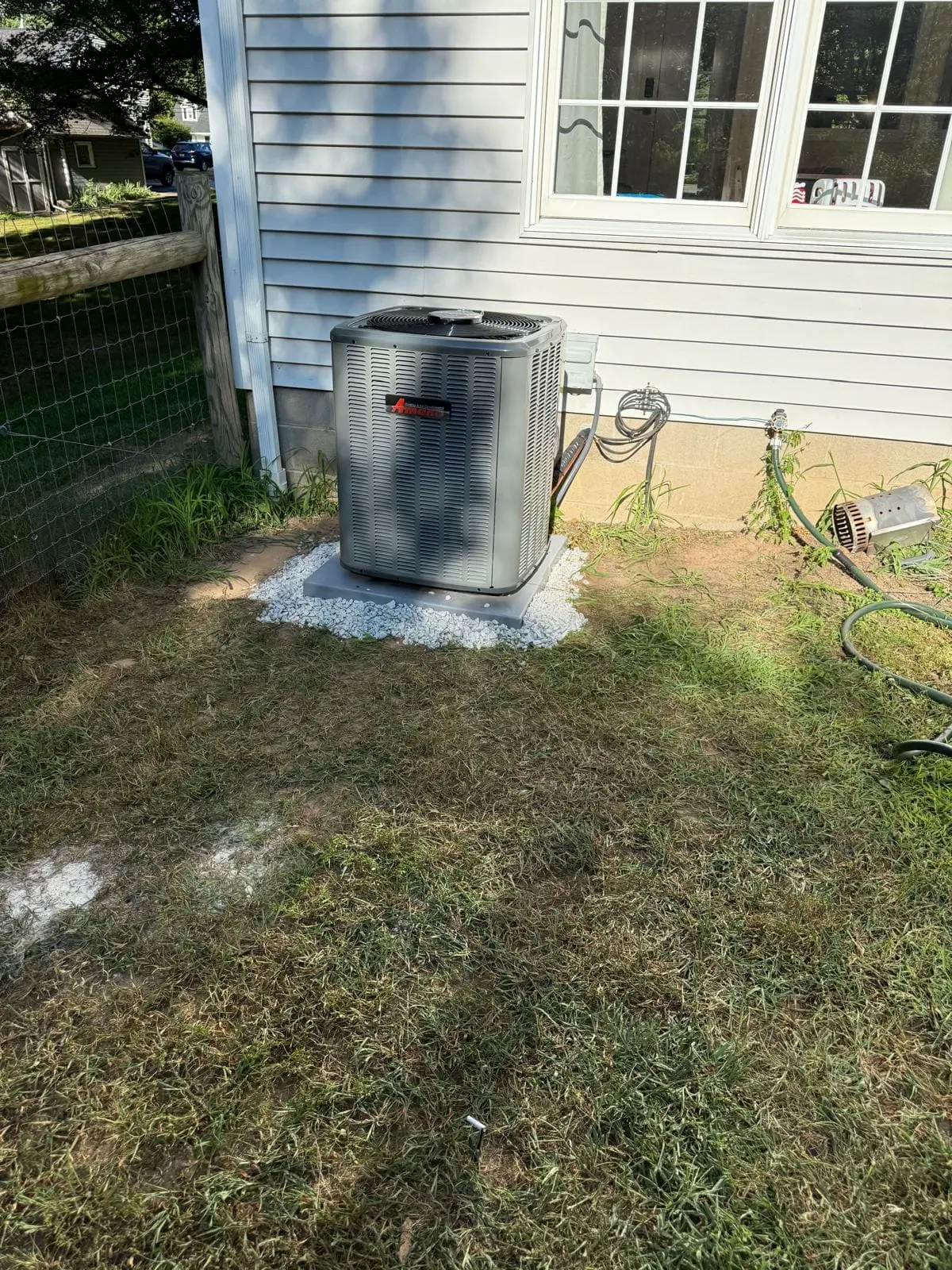
A no-cooling situation can be caused by capacitor/contactor problems, thermostat/control issues, airflow restrictions, or icing. If you see ice, turn cooling off and call—running it iced up can lead to more damage.
Breaker trips repeatedly
If the breaker trips repeatedly when the system starts, don’t keep resetting it. That can point to an electrical fault or a failing motor/compressor and needs professional diagnosis.
Water around HVAC equipment
Leaks can come from condensate/drain issues, frozen coils thawing, or other problems. The urgent risk is property damage and electrical hazards, so shut the system off and call.
When it’s not an “emergency” (but still needs repair)
Some problems can often wait for a standard appointment, depending on the season:
-
Minor comfort issues when the weather is mild
-
Small airflow complaints
-
Routine tune-ups and maintenance planning
For non-urgent repairs, book standard service here:
Service area: Rochester and nearby communities
We serve Rochester and surrounding communities across the Greater Rochester area. For the full list of towns we cover, visit our Service area
Emergency HVAC FAQ
Do you really offer 24/7 emergency HVAC service?
Yes—call anytime for urgent heating or cooling issues, and we’ll help you triage the situation and schedule service. Call (585) 490-5084.
Can you fix it on the first visit?
Often yes, but it depends on what failed and part availability. Either way, you should expect a clear diagnosis and the fastest path to restore comfort safely.
What if I’m not sure it’s an emergency?
Call and ask. It’s better to get guidance early than risk safety, property damage, or a bigger repair later.
Should I turn my system off if something seems wrong?
If there’s smoke, a burning smell, repeated breaker trips, or water near electrical components, turning the system off is a safe first step.