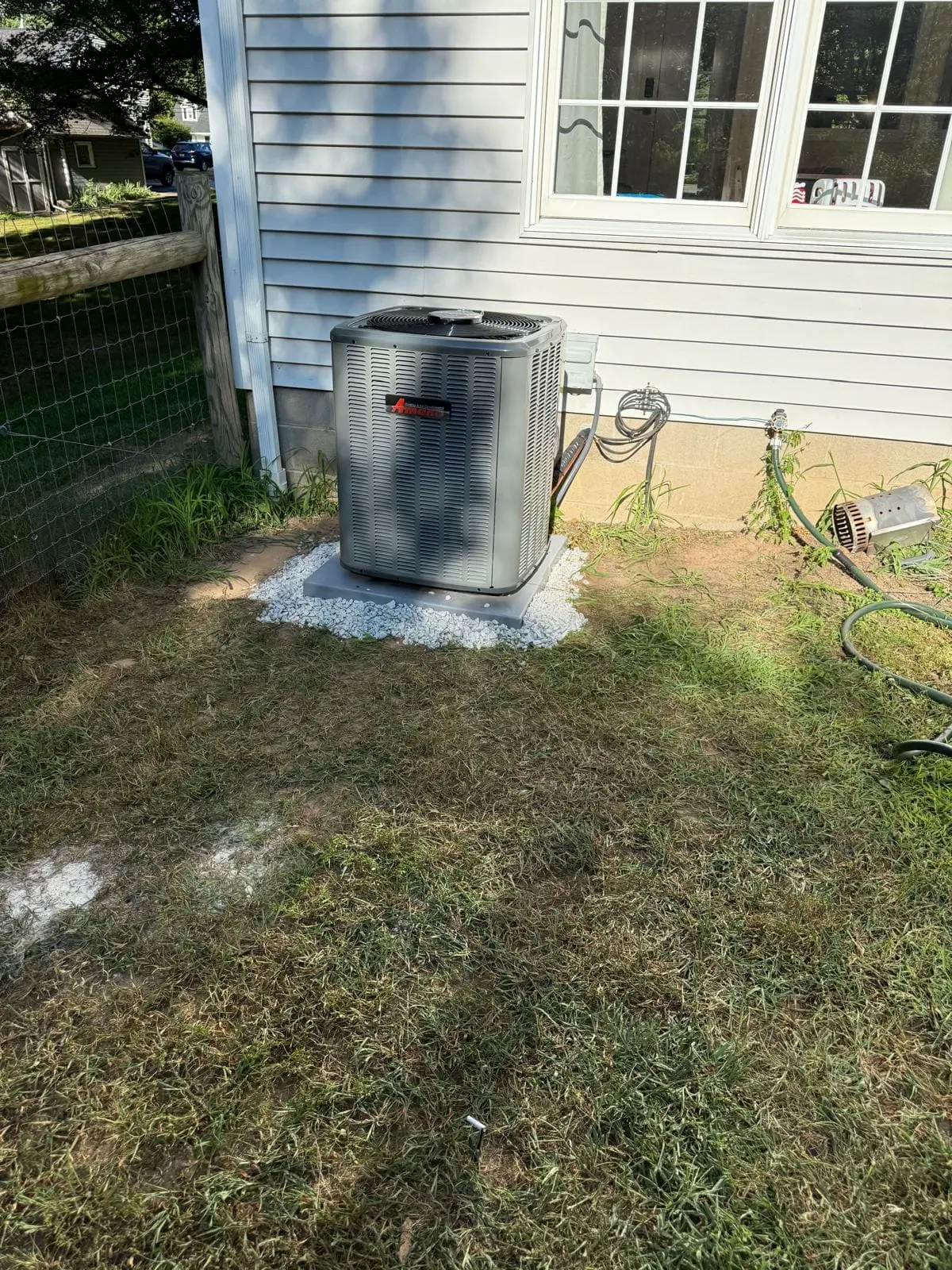

HVAC install AC in Greater Rochester NY is not just about swapping equipment—it’s a complete system setup that determines comfort, efficiency, and reliability for years. A premium air conditioner installation should feel simple from the homeowner’s perspective: rooms cool evenly, humidity stays comfortable, the system runs quietly, and the utility bill doesn’t surprise you. When those outcomes aren’t happening, it’s tempting to blame the brand of the equipment—but most of the time, the real story is installation quality.
This article is informational and homeowner-friendly. It breaks down five common mistakes that can undermine an AC install and explains what a quality-focused contractor does instead. If you’re planning a replacement in the Greater Rochester suburbs, use this as a practical checklist to compare proposals and protect your investment.
Why “installation” is really a system setup
An air conditioner is only one part of your comfort system. The ductwork (or distribution), airflow balance, thermostat configuration, drainage, and refrigerant setup all influence how the equipment behaves in the real world. Two homes can install the same model and get different comfort and efficiency results because the surrounding system is different—and the installation process either accounts for that or ignores it.
A premium install also reduces the risk of early problems. When key steps are skipped, you may still get cold air, but you also get things like short cycling, stubborn hot rooms, humidity that never feels right, and follow-up service calls that shouldn’t be necessary after a “new system.” The goal is not to make the project complicated; it’s to get the fundamentals right and verify performance before the job is considered complete.
Explore our Cooling Services for AC installation, replacement, and repair options.
Below are five mistakes we see repeatedly and the steps we take to avoid them.
1) Guess-sizing the system instead of doing a real load calculation
The mistake: Choosing the new AC size based on the old unit, a quick square-foot estimate, or the idea that “bigger is better.”
Why it matters: A properly sized system should maintain temperature and manage humidity without constantly turning on and off. When a unit is oversized, it may cool the air quickly and shut down before it removes enough moisture—so the home can feel cold but clammy. When it’s undersized, it may run for long stretches and still struggle on peak summer days. Best practice is to size using a recognized load calculation method (often Manual J), not guesswork.
Not sure what size system you need? Read our AC sizing guide before you compare quotes.
What we do instead:
-
We base sizing on real factors that change the load (insulation, windows, layout, sun exposure, and how the home is actually used).
-
We consider comfort priorities (stable temperature, humidity control, quieter operation) rather than pushing capacity “just in case.”
-
We match equipment selection to the home’s airflow realities so the final setup is balanced.
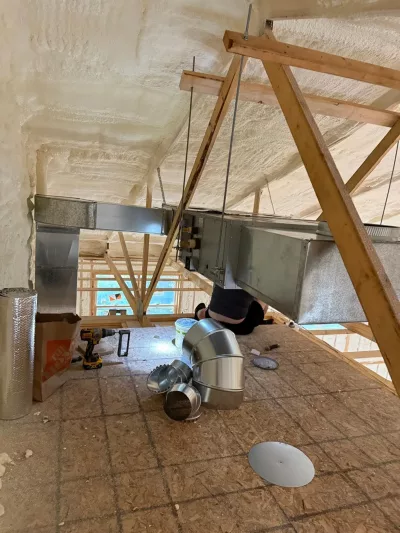
- See our HVAC ductwork installation in Scottsville, NY 14546 (new construction) for a real example of airflow-first work.
Homeowner question to ask: “Will you perform a load calculation or are you reusing the previous tonnage?” If the answer is vague, you’re accepting risk.
2) Installing new equipment on top of old airflow and duct problems
The mistake: Replacing the condenser and coil but ignoring duct restrictions, leaky returns, crushed flex duct, undersized returns, or poor supply balance.
Why it matters: Air conditioners don’t deliver comfort by themselves—air distribution does. If the system can’t move the right amount of air to the right rooms, you’ll still have temperature swings and “problem rooms” even after spending money on new equipment. Poor airflow can also force the system to work harder than necessary, which can reduce efficiency and contribute to wear.
What we do instead:
-
We treat airflow as part of the install plan, not a separate issue for “later.”
-
We look for common restrictions and bottlenecks that keep cooled air from reaching the rooms that need it most.
-
We aim for even comfort across the home, not just a cold blast near the nearest vent.
Soft geo phrase (one-time): This is especially common in older homes across Monroe County, where duct layouts were originally designed around heating and later adapted for cooling.
3) Incorrect refrigerant charge or rushed startup (poor commissioning)
The mistake: Charging refrigerant without proper verification, rushing the startup process, or relying on habit instead of measurement.
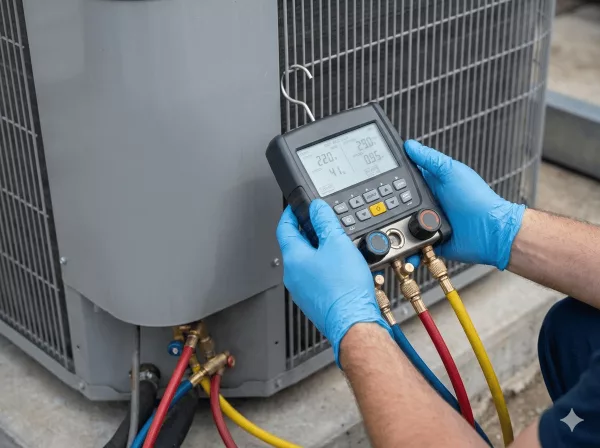
Why it matters: Refrigerant charge affects system performance and reliability. Both undercharge and overcharge can reduce efficiency and cooling capacity, and they can contribute to long-term stress on key components. Correct charging and verification is a critical part of commissioning.
What we do instead:
-
We follow a measured setup and verification process aligned with manufacturer requirements.
-
We allow the system to stabilize before final checks, because accurate verification depends on real operating conditions.
-
We treat commissioning as part of the install—non-negotiable, not optional.
Homeowner question to ask: “How do you verify the refrigerant charge and system performance after startup?” A premium answer includes real testing and verification.
4) Condensate drainage treated as an afterthought
The mistake: Quick drain routing with poor slope, weak support, awkward access, or no plan for maintenance—leading to clogs, leaks, or water damage.
Why it matters: Cooling removes moisture from the air, and that moisture must drain safely. Drain problems can create service calls that feel “mysterious” to homeowners because the AC still cools—but water shows up where it shouldn’t. Beyond inconvenience, poor drainage can create indoor air quality concerns and damage ceilings, floors, or finished spaces.
What we do instead:
-
We route the drain intentionally with reliable pitch and secure support.
-
We plan for service access because drains do require maintenance over time.
-
We verify drainage operation before we consider the job finished.
Soft geo phrase (one-time): If you’re doing an AC installation in the Greater Rochester area, this is one of the easiest details to overlook—and one of the most frustrating to deal with later.
5) “It turns on” becomes the finish line (no final verification and handoff)
The mistake: The system starts, cold air blows, paperwork is done—without confirming that the system is delivering what was promised.
Why it matters: Without final verification, small issues can hide until the first heat wave: uneven temperatures, noisy operation, short cycling, or humidity that never feels comfortable. Homeowners then feel like they purchased a new system but didn’t actually upgrade the day-to-day experience.
What we do instead:
-
We validate that the system is operating as designed (cooling behavior, control response, stable operation).
-
We confirm comfort basics the homeowner will notice (room-to-room consistency, thermostat behavior, and practical operating guidance).
-
We do a clean handoff—what was installed, what settings matter, and what maintenance to plan.
Homeowner-friendly takeaway: A premium install includes a “finish” phase—verification, adjustments, and clear communication—so the system performs well from day one.
Ductless mini-splits (when they’re the smarter comfort solution)
Ductless mini-splits can be a premium solution when ductwork is limited, when you need room-by-room zoning, or when one area (like an addition, finished attic, or home office) needs reliable cooling without reworking the entire home. They can also complement central AC by solving stubborn problem rooms with targeted control. In many cases, the best result isn’t “central vs. ductless,” but a thoughtful combination tailored to how the home is used.

If you’re exploring ductless, focus on zoning goals, indoor unit placement, and proper sizing—those details determine whether the system feels seamless or annoying.
For an example of how central air and ductless can work together, check our Central AC and Mini-Split project.
A simple pre-install checklist (use this with any contractor)
Before you sign, ask these questions and listen for clear, specific answers:
-
“How will you determine the correct system size?” (Look for load calculation logic, not rules of thumb.)
-
“Will you evaluate ductwork/airflow, or only replace the equipment?”
-
“How will you verify refrigerant charge and performance?”
-
“How is the condensate drain routed, and how will it be maintained?”
-
“What final commissioning steps do you complete before closeout?”
If a proposal is missing these fundamentals, it isn’t necessarily cheaper—it may just be leaving important work out of scope.
Learn more about our team, standards, and service approach on our About Us page.
If you want a premium-quality AC install with a clear plan and verified results, call (585) 490‑5084 or request an in-home estimate through our contact form.
FAQ
Q1: Why is a load calculation important for an AC install?
A: A load calculation (commonly Manual J) helps determine the correct capacity for your home so the system can manage temperature and humidity without short cycling or struggling.
Q2: What happens if refrigerant charge is incorrect?
A: Undercharge or overcharge can reduce performance and efficiency and may contribute to long-term reliability problems, so charge verification is a key commissioning step.
Q3: Can ductwork issues still cause comfort problems after a new AC installation?
A: Yes. If airflow is restricted or poorly balanced, a new system can still produce uneven temperatures and comfort complaints, so airflow evaluation should be part of the install plan.
View Areas We Serve to see the towns we cover across Greater Rochester.