AC Sizing in Rochester, NY: What Size Air Conditioner Do I Need This Spring?
Spring in Western New York is the perfect time to think about cooling—before the first truly warm, sticky week hits and schedules fill up. Many homeowners wait until the AC fails on a hot day, but planning ahead gives you better options: more time to compare equipment, schedule service, and make sure your new system is comfortable—not just “powerful.” If you’re searching for HVAC Rochester NY help this season, the most important first step is understanding correct AC sizing.
Air conditioner sizing is often treated like a shortcut: someone looks at the square footage, guesses a tonnage, and calls it a day. But the right size air conditioner depends on far more than area. Your windows, insulation, air leakage, ductwork, and even your home’s orientation to the sun all affect how much cooling you need. Proper sizing helps you get steady comfort, better humidity control, and efficiency you’ll notice in your monthly bills.
If you want local guidance, start with HVAC Services in Rochester, NY and browse Cooling Services to see the options MGM Heating & Cooling provides for homeowners across the region.
Why “Bigger AC” Isn’t Better
A common belief is that a larger AC will cool faster and keep you more comfortable. In practice, oversizing often creates the opposite experience.
When an AC is oversized, it can drop the temperature at the thermostat quickly and then shut off. That short run time is a problem because air conditioners don’t just cool—they also remove moisture. If the system turns off too soon, humidity lingers and the home can feel clammy even when the thermostat reads the “right” number. Frequent start-stop cycles can also add wear on components.
Undersizing has a different downside: the system may run for long stretches, struggle on hot afternoons, and still leave some rooms uncomfortable. The goal is a system that meets the home’s real cooling load while running long enough to keep temperature and humidity stable.
The Right Way to Size an Air Conditioner: Manual J
Correct sizing starts with a load calculation—most commonly based on ACCA Manual J. Manual J is an ANSI-recognized standard for producing residential heating and cooling load calculations. In simple terms, it’s the method used to estimate how much cooling your home actually needs under design conditions, instead of relying on rules of thumb.
A Manual J-style load calculation considers factors that square-foot rules miss, including:
-
Window area, window type, and direction (north/south/east/west).
-
Insulation levels and construction details.
-
Air leakage and ventilation (how much outdoor air sneaks in).
-
Internal heat gains from people, cooking, appliances, and lighting.
-
Target indoor setpoints for temperature and humidity.
This is why two homes in the same neighborhood with similar square footage can need different equipment capacity. For example, a home with large west-facing windows and low attic insulation can have a much higher afternoon load than a shaded home with upgraded insulation and better air sealing. Manual J is designed to capture those differences.
After the load calculation, the next step is selecting equipment that matches those loads (commonly referred to as Manual S concepts), and confirming airflow and duct conditions if central ducted cooling is involved (Manual D concepts). Getting these pieces right is what turns “a new AC unit” into real comfort.
Rochester Comfort: Humidity + Airflow Make a Big Difference
In Rochester, homeowners often notice that humidity control matters as much as temperature. A home can be 74°F and still feel uncomfortable if the air is damp. Oversized equipment is one common cause (short cycles), but airflow and duct issues can also prevent proper moisture removal and even cooling.
That’s why spring is a great time for HVAC maintenance and performance checks. If the system is low on airflow, has a dirty coil, has a refrigerant issue, or the duct system is leaking, the AC may appear “too small” when the real issue is performance—not capacity.
If your system is acting up now, see Equipment Repair for diagnostic and repair options.
Signs Your AC Is the Wrong Size (or Has Airflow Problems)
You don’t need special tools to spot warning signs. Here are common symptoms that point to oversizing, undersizing, or airflow/duct problems:
-
Short cycling: frequent on/off operation.
-
The home feels humid or sticky while cooling.
-
Certain rooms (often upstairs) are consistently warmer.
-
The system runs constantly and can’t reach the setpoint on warmer days.
-
Big temperature swings between cycles.
-
Higher-than-expected summer electric bills.
If you’re seeing these issues, don’t assume the answer is “bigger equipment.” A qualified HVAC contractor can test performance, review airflow, and recommend the right next step.
Spring Checklist: What Homeowners Can Do Before AC Season
A little spring preparation reduces breakdown risk and helps any service visit go faster. Here’s a homeowner-friendly checklist:
1) Replace the air filter
A clogged filter restricts airflow, reduces efficiency, and can contribute to icing.
2) Clear the outdoor unit
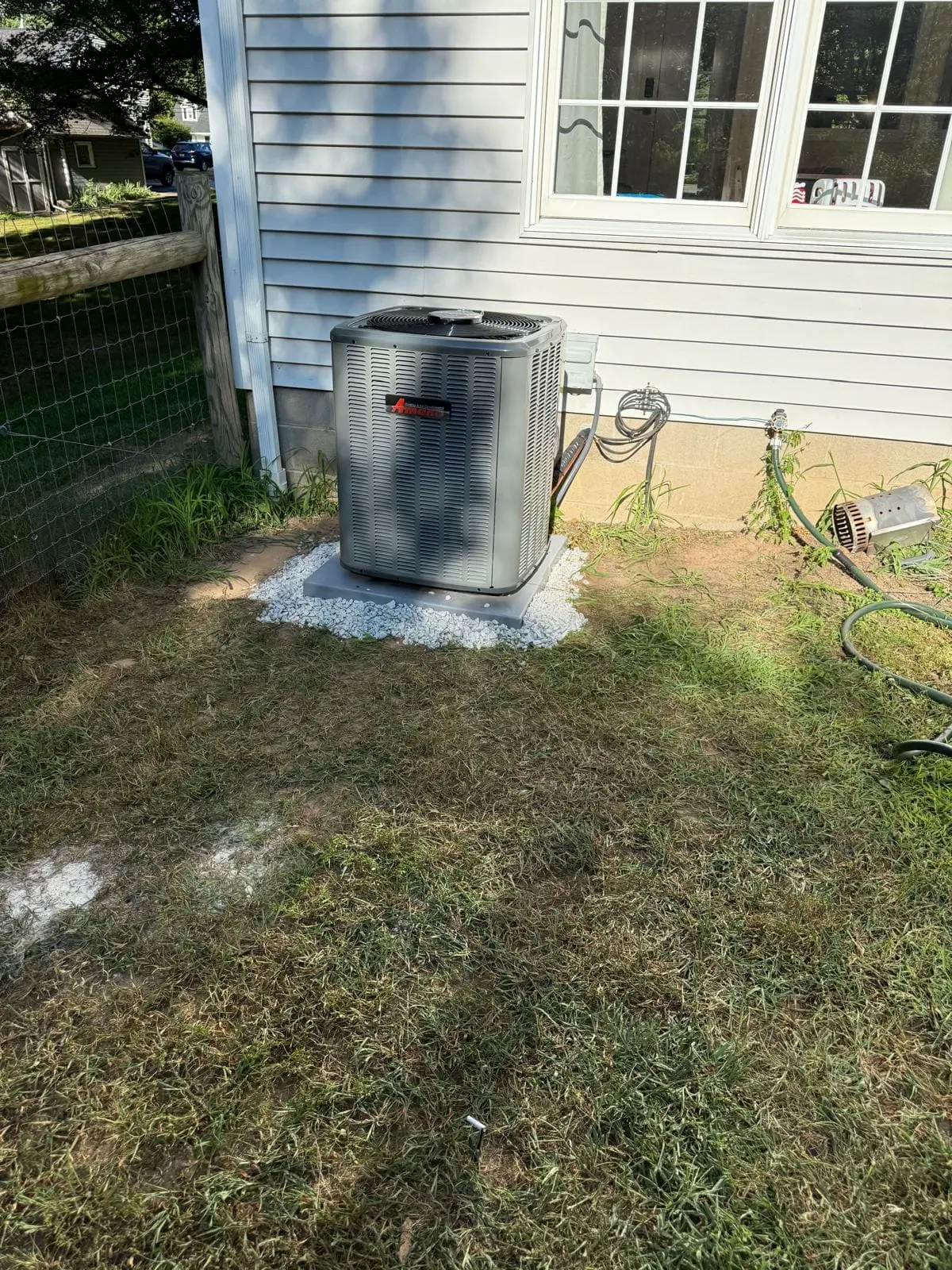
Remove leaves and debris, and keep plants trimmed back so the condenser can reject heat effectively.
3) Check the thermostat
Confirm the system is set to cooling, update schedules, and replace batteries if needed.
4) Make sure vents are open and unblocked
Blocked supplies or returns can create “hot rooms” that look like an undersized AC.
5) Schedule service early
Spring is the ideal time to schedule tune-ups, repairs, or replacement planning before peak demand.
If you’re planning a new system, Cooling Services is the best place to start.
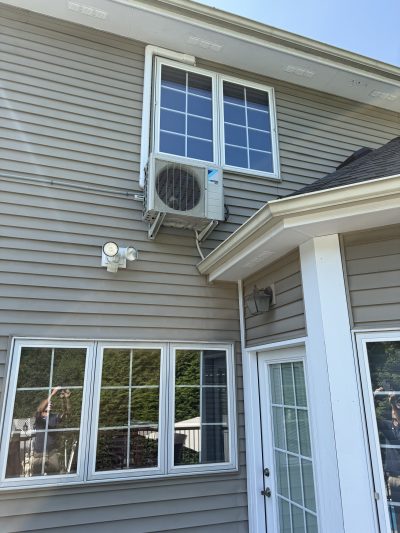
Central AC vs Heat Pumps vs Ductless: Does Sizing Change?
Many homeowners compare central AC to heat pumps and ductless systems. The equipment differs, but the sizing principle is the same: start with the home’s load, then choose equipment that matches it.
-
Central AC is a common choice when ductwork is in decent shape and you want whole-home cooling.
-
Heat pumps provide heating and cooling and can be a strong option for energy-conscious households (many people search heat pumps Rochester NY for this reason).
-
Ductless mini-splits can be ideal for additions, finished basements, bonus rooms, or homes where ductwork limits comfort.
No matter the system type, proper sizing and proper airflow are what prevent the “new system, same problems” situation.
Serving Greater Rochester (Nearby Communities)
MGM Heating & Cooling serves homeowners across Greater Rochester, including communities such as Greece, Irondequoit, Fairport, Penfield, Brighton, Webster, Pittsford, and Henrietta. For a full list, visit Areas We Serve.
FAQ: AC Sizing in Rochester, NY (8 Questions)
1) How many tons of AC do I need for my Rochester home?
Square footage alone isn’t reliable. The best approach is a Manual J load calculation that accounts for windows, insulation, air leakage, and internal heat gains.
2) Can I replace my old AC with the same size unit?
Sometimes, but it’s not a guarantee. Your home may have changed, and older systems were often sized using rules of thumb. A load calculation helps confirm the correct size today.
3) Why does an oversized AC make my house feel humid?
Oversized systems can short cycle and shut off before removing enough moisture, leaving indoor air damp and uncomfortable.
4) What is Manual J in plain English?
Manual J is a standardized method for calculating a home’s heating and cooling loads to determine how much capacity the HVAC equipment should provide.
5) What’s the difference between Manual J and Manual S?
Manual J calculates the load. Manual S is used to select equipment that matches that load in real operating conditions.
6) My upstairs is always hot—do I need a bigger AC?
Not necessarily. Hot upstairs rooms often involve insulation/attic heat gain, duct leakage, return-air limitations, or airflow balance issues. Bigger equipment can make humidity and cycling worse.
7) Do ducts affect AC sizing and comfort?
Yes. Duct restrictions and leakage can limit delivered airflow and reduce performance even if the unit is sized correctly.
8) When should I schedule AC service or replacement?
Spring is ideal because you can schedule more easily and address problems before peak summer demand.
Ready for Cooling Season?
If you want comfort that feels steady (not “cold for 10 minutes, sticky for 20”), focus on load-based sizing and airflow—not shortcuts. MGM Heating & Cooling can help with spring tune-ups, diagnostics, and cooling upgrades, including AC installation and repair air conditioner issues that show up at the start of the season.
About the Author: Gedeon Shikhman