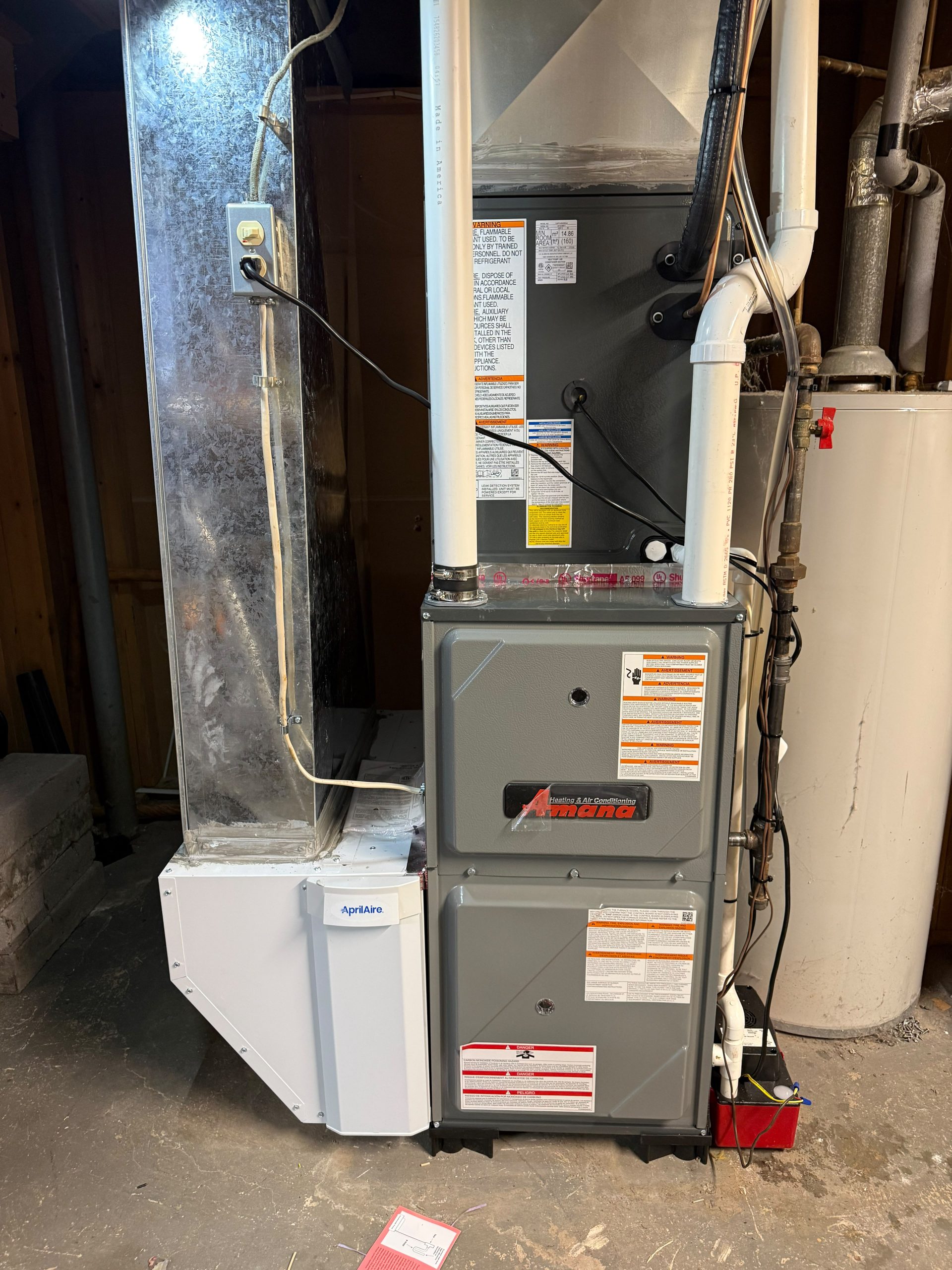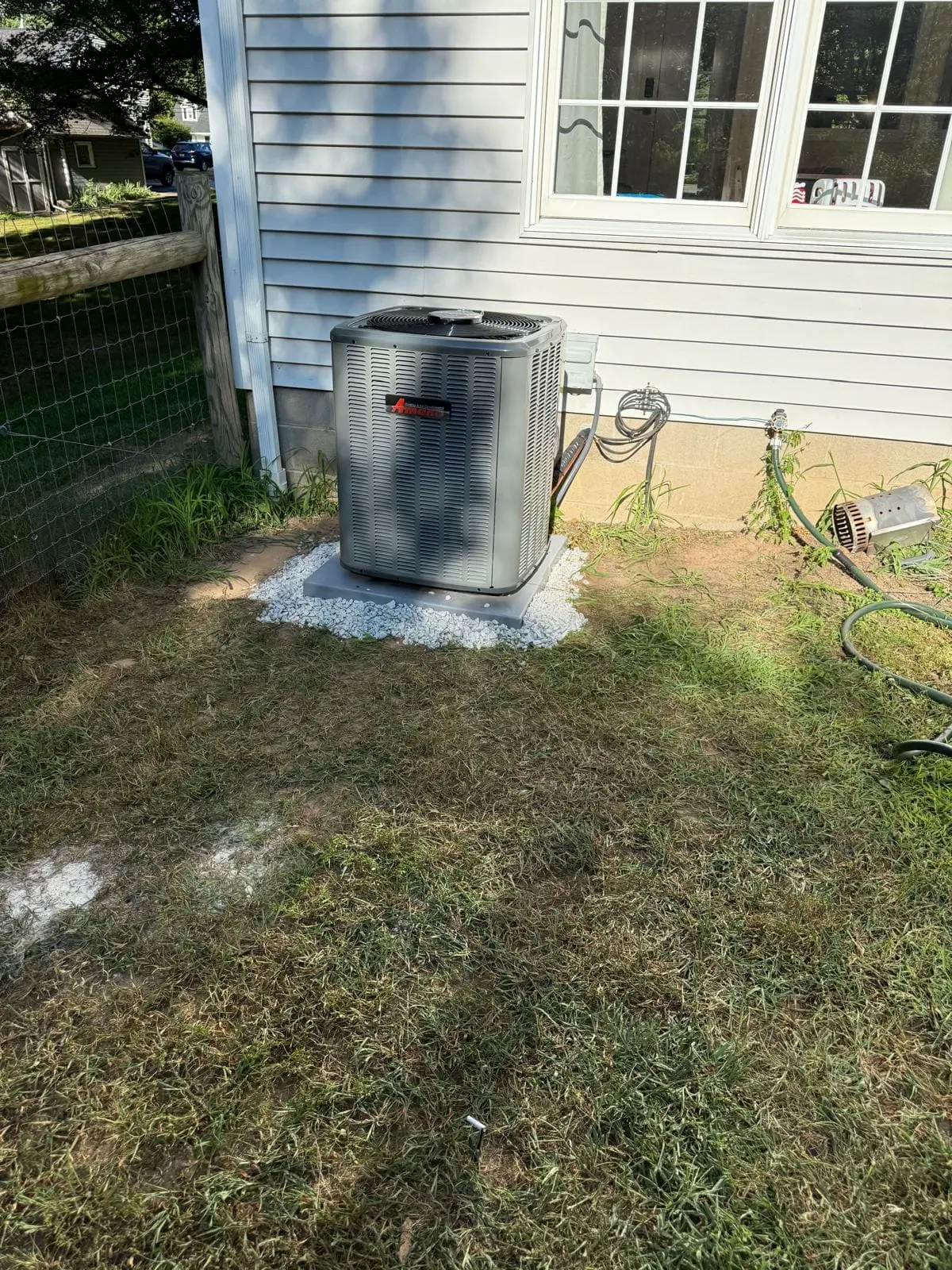

Boiler lifespan is more than a number—it’s a sign of how reliably your home will stay warm when Henrietta, NY temperatures drop. A boiler can keep running for years while quietly becoming less efficient and more unpredictable, until small issues turn into repeat service calls. This guide explains when boiler repair stops being practical and what signals suggest it’s time to plan a replacement instead.
What “boiler lifespan” means in real life
When people ask, “How long does a boiler last?”, they usually want a single number. In reality, lifespan is a range influenced by installation quality, maintenance, water quality inside the system, and how heavily the boiler is used each season. Even if the boiler still turns on, age can show up as reduced efficiency, noisier operation, or a growing list of small failures.
For a quick overview of common service categories, see HVAC services.
Repair vs. replacement: the real decision
A repair can be the right call when the problem is isolated and the rest of the system is healthy. Replacement becomes more reasonable when you’re paying repeatedly to restore basic function, but reliability never truly returns. At that stage, the cost isn’t only the invoice—it’s also the risk of losing heat, the stress of emergency scheduling, and the uncertainty of what fails next.
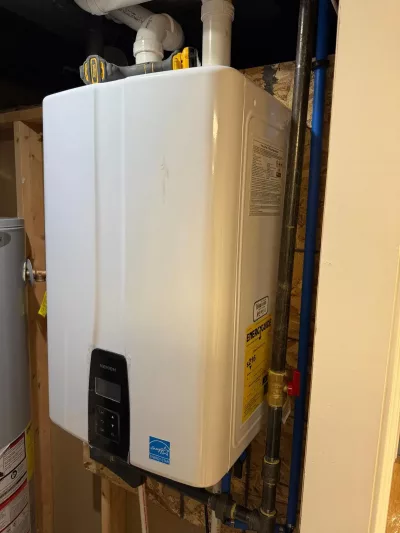
Clear signs repair may no longer be worth it
If you’re researching boiler repair vs replacement in Henrietta, NY, look for these patterns:
-
Frequent breakdowns. More than one repair in a short period is a reliability warning.
-
Rising repair costs. One expensive repair can happen; repeated expensive repairs usually mean the system is aging across multiple components.
-
Comfort issues that persist. Uneven room temperatures, short-cycling, or weak heat output can indicate deeper performance problems.
-
Efficiency drift. Many boilers lose efficiency gradually, so higher bills can appear before a major breakdown.
-
Parts that are delayed or discontinued. If parts are hard to source, “repair” can translate into extended downtime when you need heat most.
If you’re dealing with an urgent no-heat situation, start with emergency HVAC service.
A simple decision framework (no pressure)
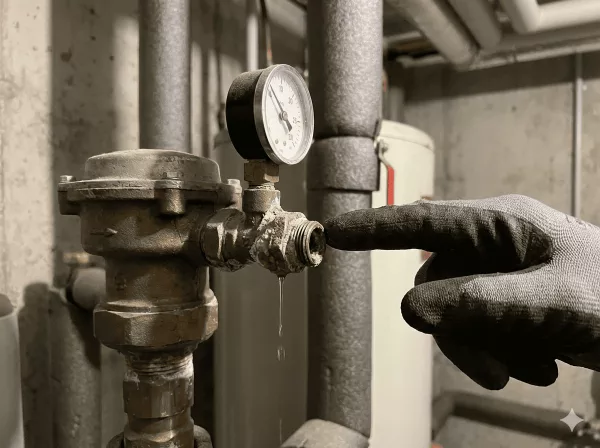
Before approving another major repair, collect four inputs:
-
Boiler age and recent service history (especially the last 2–3 years).
-
The repair estimate and whether it restores true reliability or only short-term operation.
-
A replacement estimate with a clear scope (what is included, what is not, and expected timeline).
-
The “next likely failure” question: after this repair, what part is most likely to fail next, and how soon?
What homeowners can do before committing to another big repair
Use this checklist to stay in control:
-
Document symptoms: error codes, leaks, unusual noises, and when issues happen.
-
Ask for two options: a minimal fix and a reliability-focused plan (what else is likely to fail soon).
-
Confirm safety basics first: venting, combustion condition, and carbon monoxide awareness.
-
If you consider replacement, ask what will be updated besides the boiler (controls, pumps/valves, venting, expansion tank, and system balancing).
For boiler-related topics and common heating needs, refer to boiler repair and hydronic service.
Local note for Henrietta, NY
Henrietta is part of the Greater Rochester area, where cold snaps can push heating systems hard and tighten scheduling across the region. If your boiler is already showing reliability issues, planning ahead can reduce disruption compared to waiting for an emergency failure.
For local context, see HVAC services in Henrietta, NY.
If you’re in a nearby town, check our service area.
See real examples
Some homeowners find it easier to decide after seeing what completed projects look like in practice. You can browse our HVAC project portfolio.
Need help deciding?
If you’d like a professional opinion on whether boiler repair in Henrietta, NY is still worthwhile—or if it’s time to plan a replacement—you can reach out here: Contact MGM Heating & Cooling.
Call us at: (585) 490-5084
About the Author: Gedeon Shikhman