
Hydronic Heating Irondequoit NY is a common setup in older and historic homes, where a boiler feeds radiators or hydronic baseboards for quiet, even warmth. These systems can be incredibly comfortable, but age, trapped air, circulation issues, and uneven heat loss can lead to cold rooms—or a sudden no-heat situation in the middle of winter.
Why radiator heat fits historic homes
Hydronic systems circulate hot water through piping to radiators, baseboards, or other loops, delivering steady warmth without the drafts many people associate with forced-air heat. In older Irondequoit homes, keeping hydronic heat often makes sense because adding ductwork can be disruptive to plaster, trim, and room layouts. The goal is usually not “replace everything,” but “make the existing radiator heat perform like it should.”
Common hydronic problems in older homes
If you’re googling “radiator not heating,” “boiler pressure keeps changing,” or “baseboard heat not working,” the issue is often something fixable—but it needs the right diagnosis. The most common problems we see in hydronic heating systems include:
-
Uneven heat from room to room (system needs balancing, air removal, or zoning/control adjustment).
-
Gurgling/banging noises (air in the system, pressure/flow problems).
-
Leaks at the boiler, valves, or piping (can damage surfaces and become unsafe around electrical components).
-
Breaker trips when the system runs (avoid resetting repeatedly; treat as a service call).
-
No heat during cold weather (often qualifies as an HVAC emergency because comfort and safety can degrade quickly).
Best solutions to keep old homes warm (in the right order)
1) Hydronic tune-up and radiator balancing
Many comfort complaints don’t require replacing radiators. A proper hydronic service visit may include checking safe operation, correcting trapped air, verifying pressure behavior, and balancing flow so radiators heat more evenly. This is usually the best “first dollar” you can spend because it improves comfort without changing the character of the home.
2) Smarter temperature control (zoning where it makes sense)
Older homes often have different heat loss across levels—basements, first floors, and second floors rarely behave the same. Zoning and control improvements can reduce overheating in one area while another stays chilly, which makes radiator heat feel far more consistent day to day.
3) Fix reliability issues before they become emergency calls
If the boiler short-cycles, shuts down unexpectedly, or the system seems “temperamental,” the priority is reliability and safety. Issues like repeated breaker trips, electrical smells, or water leaks should be treated as urgent and diagnosed instead of “waiting to see if it happens again.” Addressing reliability can prevent property damage and reduce the chances of waking up to no heat.
4) Boiler repair vs. replacement (how to decide)
Sometimes a repair and proper setup is enough to restore performance. But if the boiler is leaking, repeatedly failing, or becoming unsafe or uneconomical to keep, replacement can be the smarter long-term option—especially when the new system is designed correctly so every radiator and loop gets the right flow and temperature. A well-planned boiler upgrade can preserve the comfort of hydronic radiator heat while improving efficiency and control.
When hydronic heating becomes an emergency
Not every heating issue is an emergency, but some situations should be handled immediately: no heat during freezing weather, a burning smell or electrical odor, a CO alarm or suspected venting issue, significant water leaks, or breaker trips when the system starts. If any of those happen, getting 24/7 help can protect your home and restore heat faster.
FAQ
Q1: Why do I have cold rooms even though the boiler is running?
Uneven heat is commonly caused by air in the system, flow imbalance, or zoning/control issues; hydronic tuning and balancing often improves comfort significantly.
Q2: My radiator/baseboard is making noise—what does it mean?
Gurgling or banging can indicate trapped air or pressure/flow problems, and it’s worth addressing early to avoid a no-heat breakdown later.
Q3: What should I do if my system is leaking water?
Turn the system off and contain the leak; avoid water near electrical components, then call for service to prevent damage and safety risks.
Q4: Should I keep my radiators or replace them?
If radiators are structurally sound, many homeowners keep them because hydronic radiator heat is comfortable and can work extremely well when the system is tuned and controlled properly.
Q5: Can you respond 24/7 if we lose heat in Irondequoit?
Yes—MGM offers 24/7 emergency dispatch for urgent heating and cooling issues.
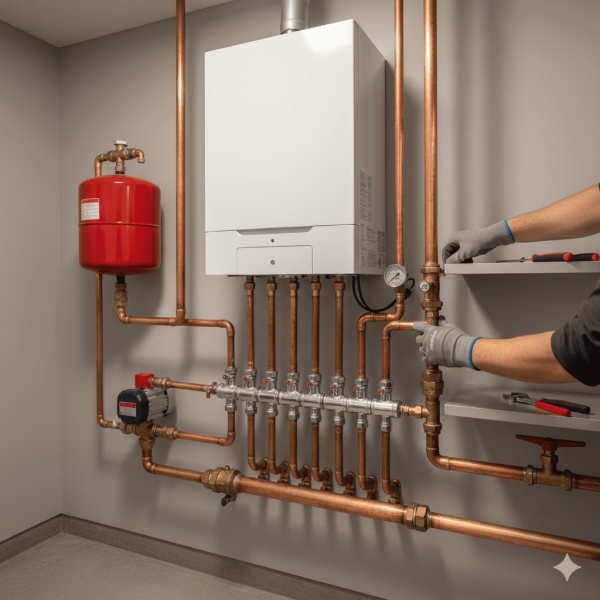
Need help with hydronic heat in Irondequoit?
If your radiator heat is uneven, your boiler keeps shutting off, or you’re dealing with a no-heat situation, MGM Heating & Cooling can help with diagnosis, repairs, and system improvements—day or night. We provide 24/7 emergency HVAC service for urgent issues, and we’ll recommend the safest, most practical fix for your home.
We work across the Rochester area, including Irondequoit and nearby towns—see our service area coverage to confirm your location. If you’d like to understand everything we offer (beyond hydronics), explore our full list of HVAC services. Want proof of results? Browse our HVAC project portfolio to see real installations, replacements, and service calls completed in local neighborhoods.
About the Author: Gedeon Shikhman