Programmable vs Smart Thermostat: Which Actually Saves Money on Heating?
If you’re upgrading your heating system controls to lower winter bills, it’s easy to assume a smart thermostat always wins. The truth is simpler: both a programmable thermostat and a smart thermostat can reduce heating costs—if they create consistent temperature setbacks when you’re asleep or away.
MGM Heating & Cooling serves Rochester, NY and nearby communities with 24/7 emergency heating repair. If your heat stops working during a cold snap, help is always a call away—then a proper thermostat setup can help keep comfort steady and costs lower going forward.
The real driver of heating savings: temperature setbacks
Thermostats don’t generate heat; they control when your HVAC system runs. The U.S. Department of Energy notes you can save as much as about 10% per year on heating and cooling by setting your thermostat back 7°–10°F for around 8 hours a day.
That means the “best” thermostat isn’t about fancy screens—it’s about reliably applying setbacks without causing comfort complaints or inefficient equipment behavior.
When a programmable thermostat makes the most sense
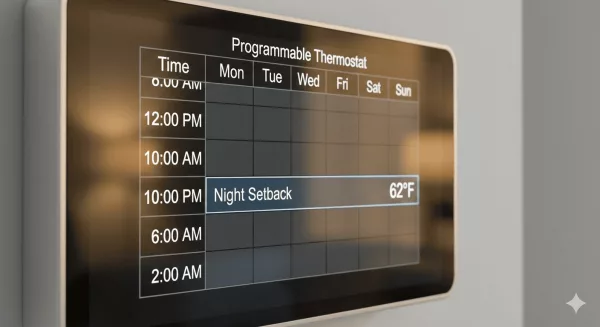
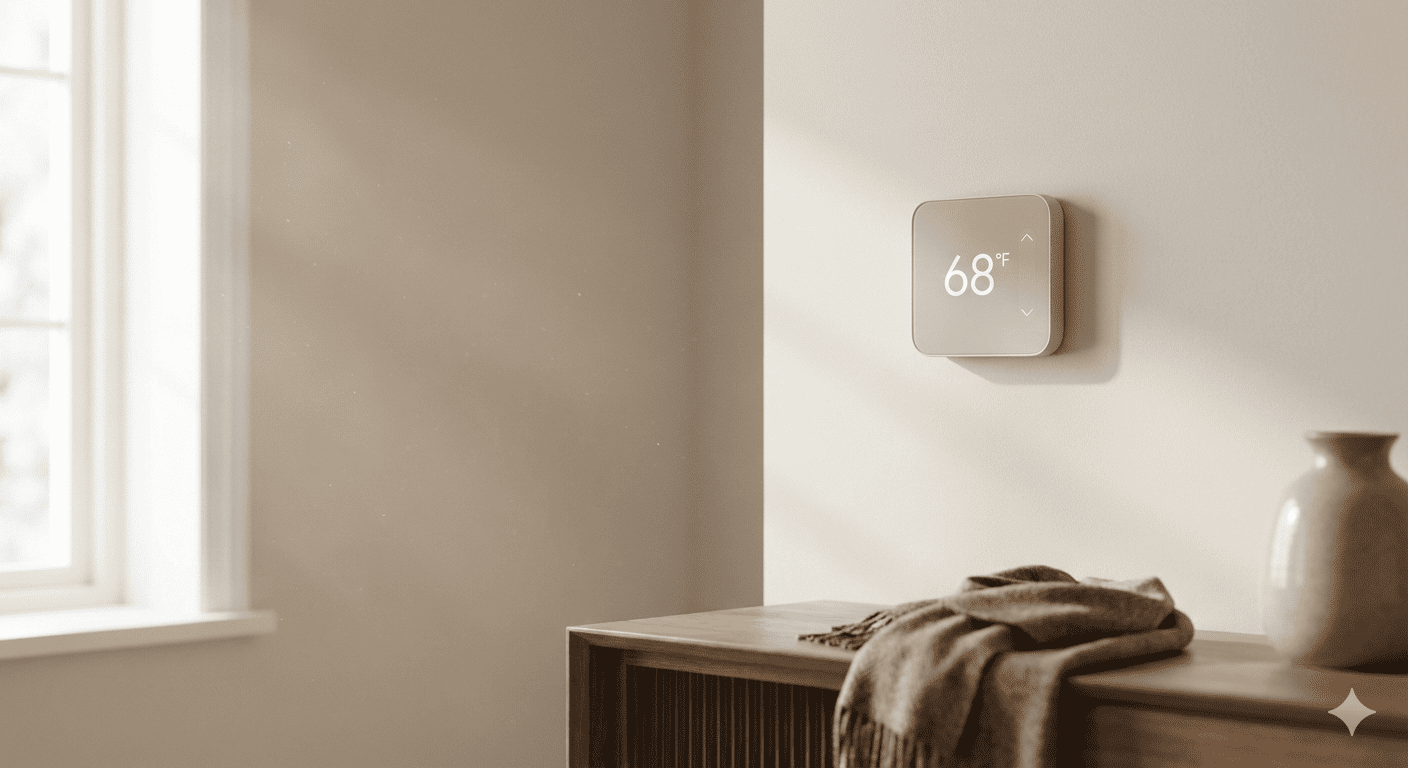
A programmable thermostat follows a schedule you set (for example, warmer mornings and evenings, cooler overnight and while you’re at work). If your routine is predictable, a programmable unit can deliver strong heating savings at a lower upfront cost—no app required.
Best for:
- Households with consistent work/school hours.
- Homeowners who want a simple “set it and forget it” heating schedule.
- Many forced-air furnace setups where setbacks are straightforward.
Common reasons programmable thermostats don’t save money
- The schedule never gets programmed.
- The schedule is programmed once, but real-life routines change and nobody updates it.
- Setbacks are too aggressive for the home’s comfort and recovery time.
When a smart thermostat is worth it
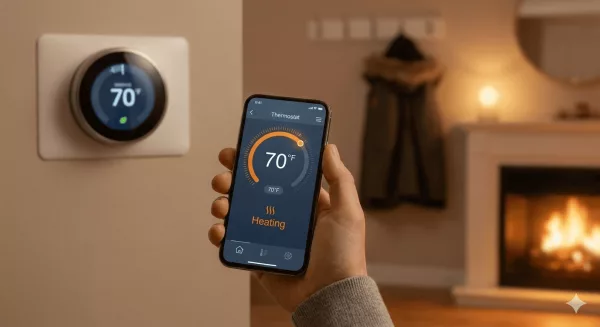
A smart thermostat shines when life isn’t predictable. It can help maintain
setbacks more consistently because it reduces “human error” (forgetting to change modes). ENERGY STAR explains that certified smart thermostats are evaluated based on demonstrated savings from real-world installations, not just theoretical claims.
ENERGY STAR also reports average savings of about 8% on heating and cooling bills (roughly $50/year), but results vary based on climate, home size, comfort preferences, occupancy patterns, and equipment. Homes that are occupied most of the time typically have fewer “setback hours,” so the savings potential is naturally smaller.
Best for:
- Families with changing schedules, frequent travel, or shift work.
- Anyone who wants remote control, alerts, and easier tracking.
- People who often search “heating repair near me” only after comfort has already become a problem—automation can help prevent that scenario.
Furnace vs heat pump vs boiler: compatibility matters
Before choosing a thermostat, identify your heating system type. Setbacks work differently depending on equipment and how fast your home warms up.
Heat pumps (important note)
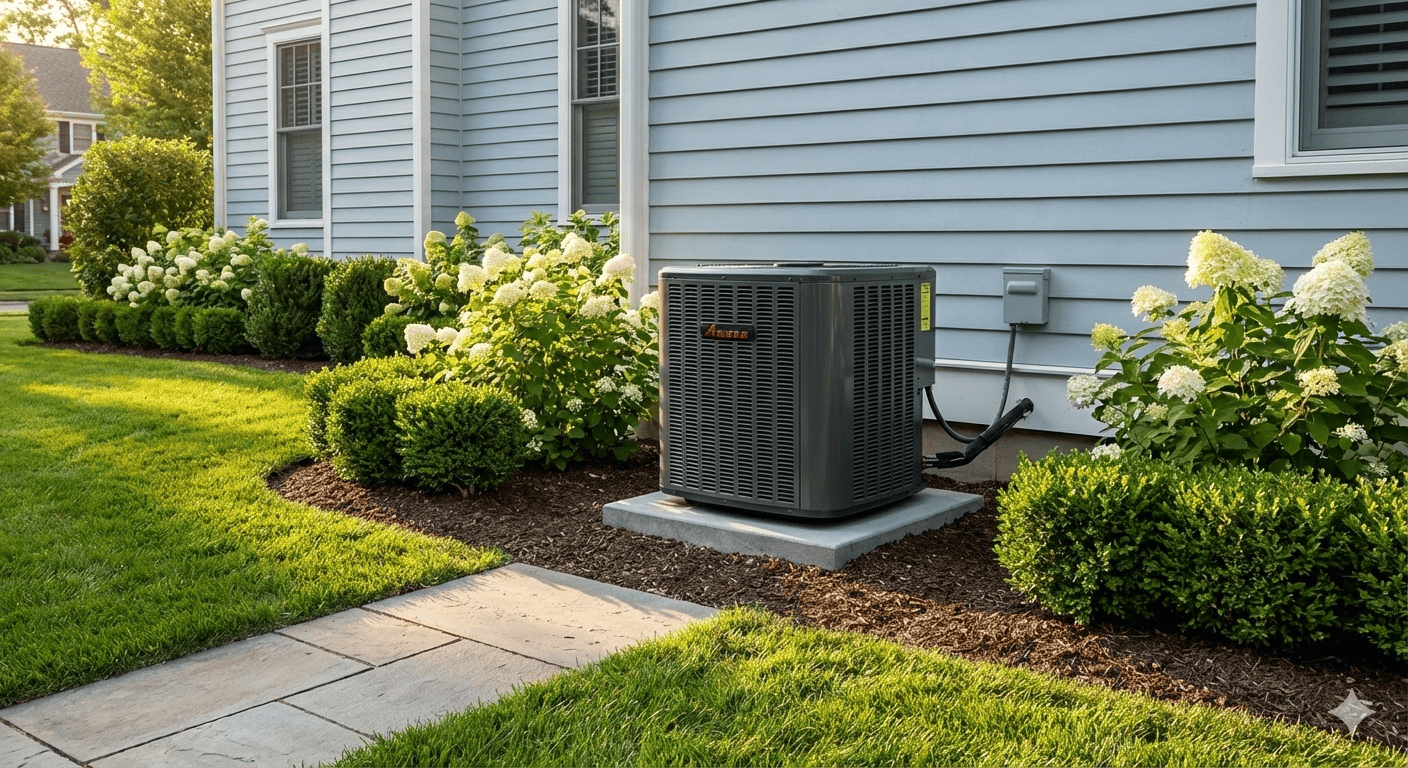
The Department of Energy cautions that standard programmable thermostats are generally not recommended for heat pumps in heating mode because setbacks can trigger inefficient operation and reduce savings—unless the thermostat and system are designed and configured for heat pump behavior. If your home has a heat pump HVAC setup (especially multi-stage), it’s worth confirming compatibility before buying any thermostat.
Furnaces and many boilers
For many furnace-based heating systems, reasonable setbacks are usually a safe path to savings. Boilers and radiant systems can be slower to respond, so the schedule may need earlier timing and gentler setbacks to avoid comfort swings.
So… which saves more on heating?
The thermostat that saves the most is the one you’ll actually use correctly.
- Choose a programmable thermostat if you’ll reliably maintain a schedule.
- Choose an ENERGY STAR smart thermostat if your routine changes or you want automation to keep setbacks consistent.
Either way, the biggest gains come from pairing a good thermostat strategy with a healthy HVAC system (clean filters, proper airflow, correct sizing, and no short-cycling).
Quick checklist: how to get real savings
- Use setbacks consistently (cooler while sleeping/away).
- Avoid extreme temperature swings if you have a heat pump unless the setup is confirmed as heat-pump compatible.
- Place the thermostat away from drafts, direct sun, and supply vents to prevent false readings and wasted runtime.
- If some rooms are cold and others are hot, address ductwork/airflow or system tuning—no thermostat can “schedule away” a comfort imbalance.
Recent projects (proof)
Want to see real examples of heating and cooling work completed in the Rochester area?
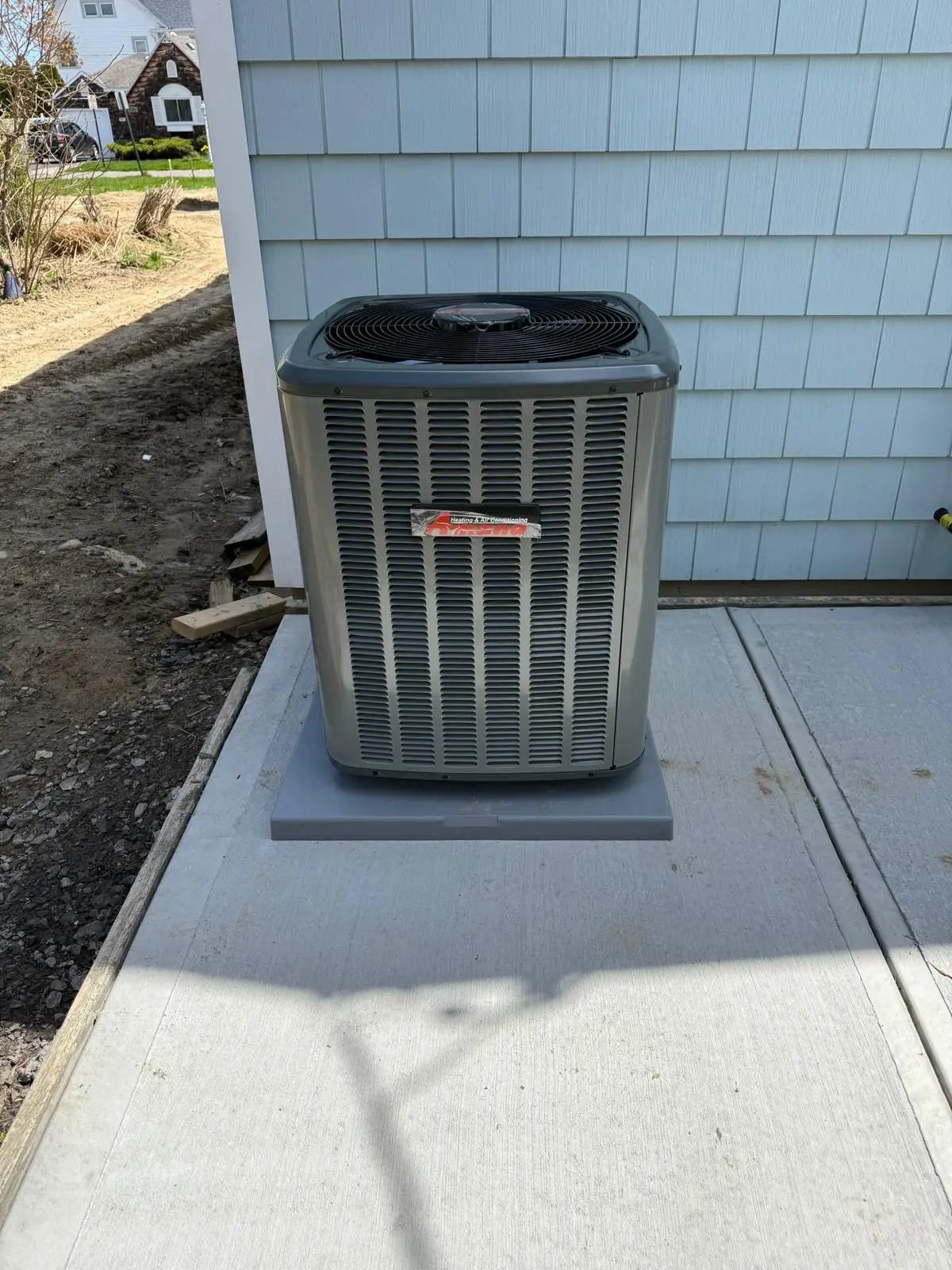
- Amana AC & Furnace Installation (Rochester, NY 14609): one of our works
- View more installs and upgrades here
Need help today? (24/7)
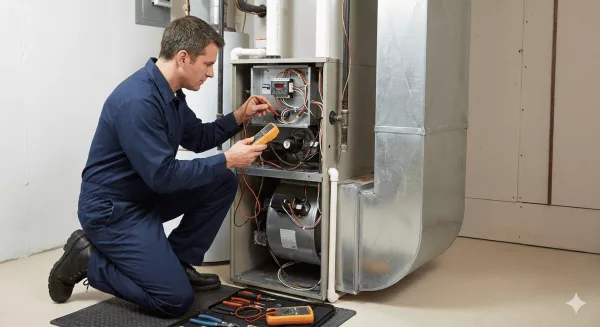
Need fast help or a system check? Book heating repair with MGM Heating & Cooling (24/7 emergency response) to diagnose thermostat compatibility, wiring, and heating system performance. We serve Rochester and many nearby towns—see the current list here.
Don’t see your town? Call (585) 490-5084 to confirm—we’re often already in your area.