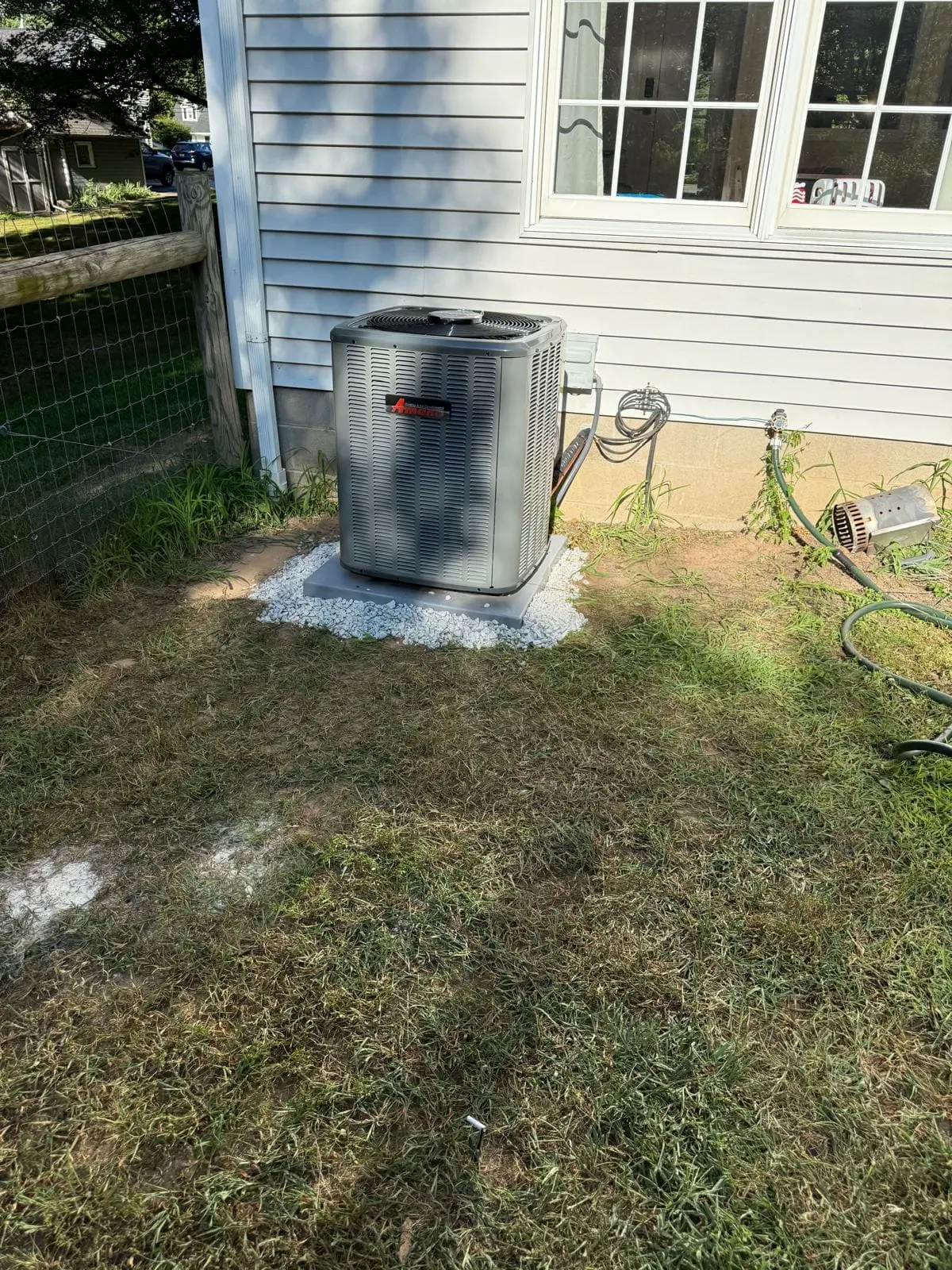
Most homeowners think of air conditioning as “cold air on a hot day.” But a properly set up and maintained AC system can also support indoor air quality (IAQ) by filtering airborne particles and helping control indoor humidity. If you’re local, start with MGM’s HVAC services in Rochester, NY. The key is knowing what your AC can do, what it can’t do, and what upgrades actually make a difference.
1) Your AC filter is your first IAQ tool
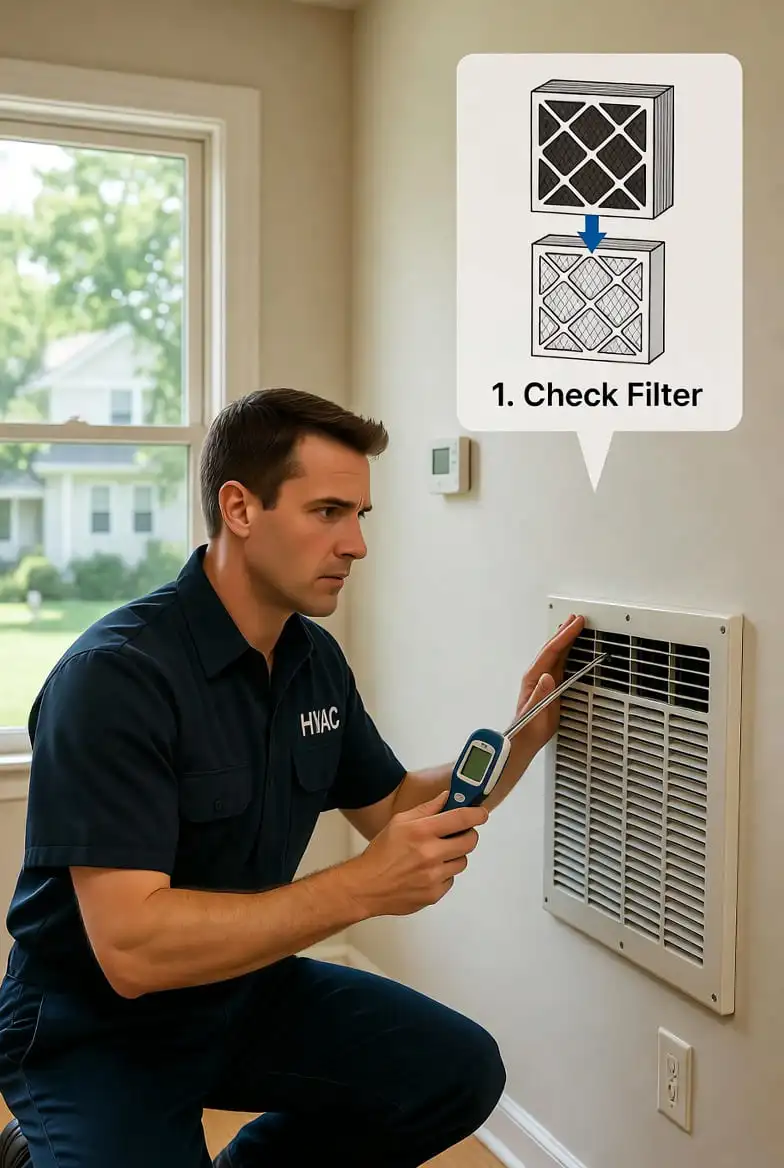
Every central air conditioner relies on airflow through the HVAC system, and that air passes through a filter. A better filter can capture more particles (dust, pollen, and other airborne debris) and reduce what circulates through the home.
Homeowner tips:
-
Replace filters on schedule so airflow stays strong and filtration keeps working.
-
If you want better particle capture, compare filters by MERV rating (EPA explains what it means and how it’s used).
-
Don’t “over-filter” without checking airflow—an HVAC pro can confirm what your system can safely use.
2) Air conditioning helps reduce humidity (and that matters for IAQ)
When an AC cools air, moisture can condense on the coil, which lowers indoor humidity. Keeping humidity in a healthier range can improve comfort and reduce conditions that support mold and dust mites.
If your home still feels humid while the AC runs, it may be an airflow, sizing, duct leakage, or runtime issue that needs professional diagnosis. If you’re nearby, here’s MGM’s page for AC & cooling services in Rochester, NY.
3) AC does not automatically bring in “fresh air”
Most standard residential AC systems mainly recirculate indoor air, so they don’t solve stale-air problems by themselves. The EPA highlights the importance of HVAC and ventilation for IAQ; here’s its overview on HVAC systems and indoor air quality.
Practical upgrades to discuss with an HVAC pro:
-
Dedicated ventilation (fresh-air intake, or ERV/HRV where appropriate).
-
Better filtration at the system level (sealed filter slot / proper filter cabinet).
4) A dirty AC can hurt air quality (and efficiency)
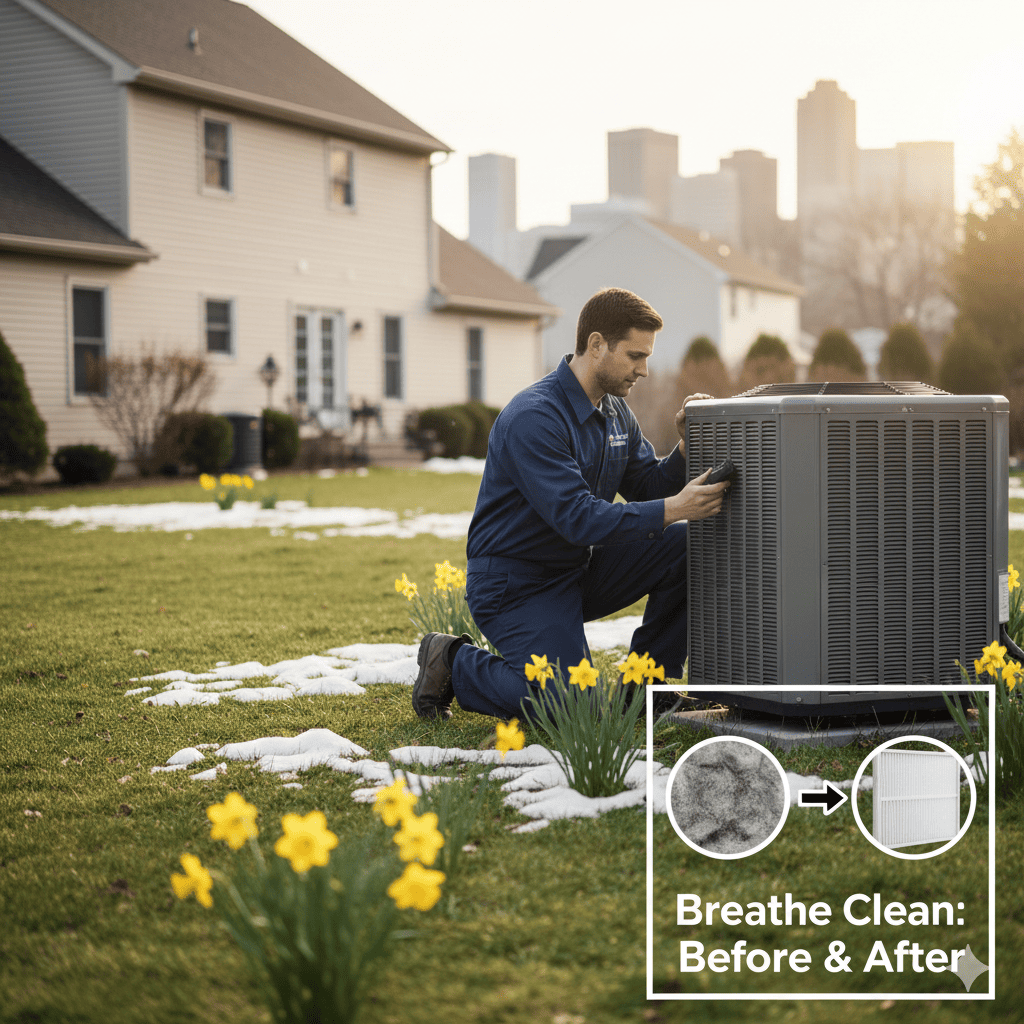
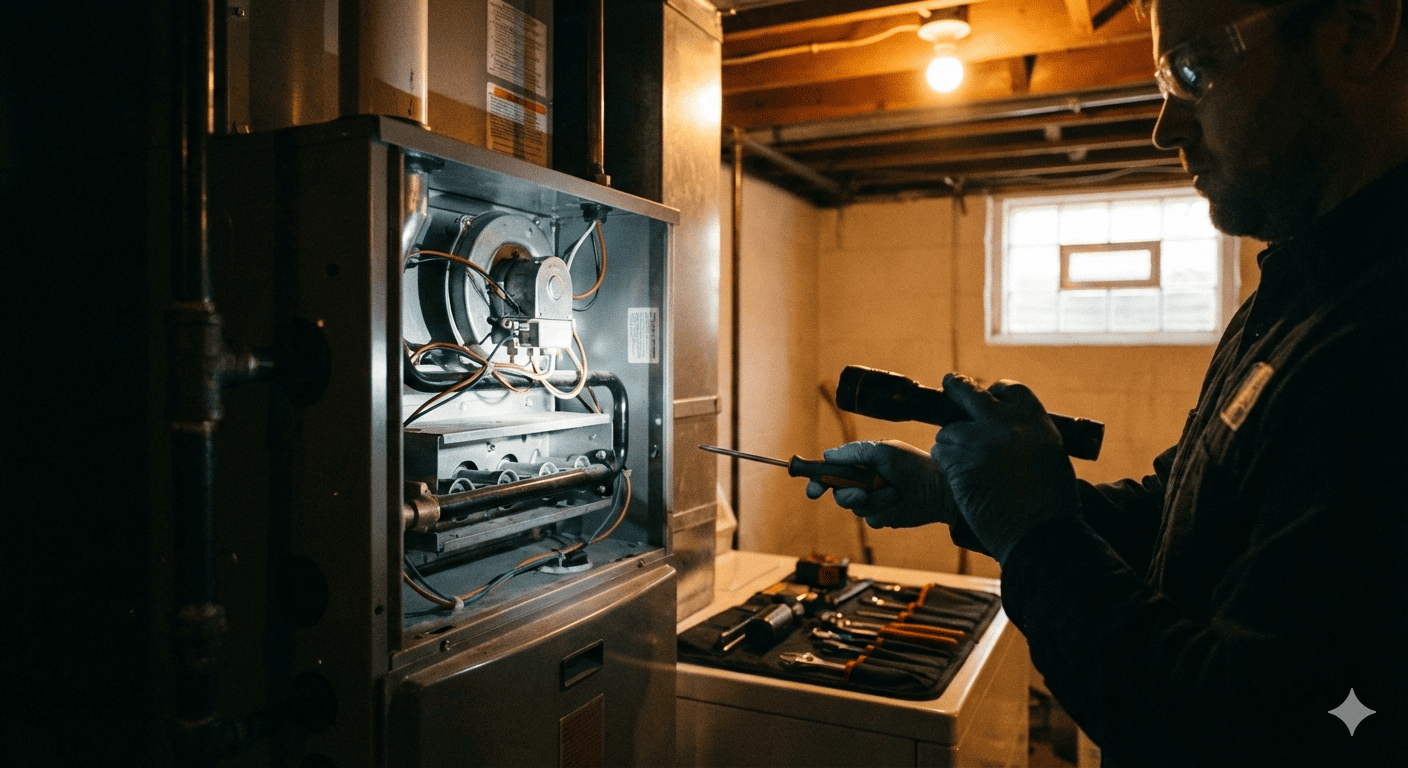
Filters, coils, and drain systems that aren’t maintained can lead to poor airflow, odors, and moisture problems. Routine maintenance helps the system run correctly and supports humidity control and filtration performance.
Quick checklist:
-
Replace/clean the filter regularly.
-
Keep supply/return vents open and unblocked.
-
Schedule seasonal maintenance before peak cooling season with MGM’s HVAC maintenance and repair team.
5) When to call for help
Consider professional help if you notice persistent dust even with regular filter changes, allergy symptoms that worsen indoors, musty smells when the AC starts, or weak airflow/uneven cooling (which can point to duct or equipment issues).
To book service or ask a question, use MGM’s contact page.