Annual HVAC Maintenance Checklist in Rochester, NY: What MGM Checks Each Year
Annual HVAC Maintenance Checklist in Rochester, NY: What MGM Checks Each Year.
If you’re searching for annual HVAC maintenance Rochester NY, you’re likely trying to avoid the same two problems homeowners face every year: a system that quits when the weather is extreme, and repairs that feel rushed because you didn’t see them coming.
An annual maintenance visit helps you stay ahead of breakdowns, improve comfort, and keep your equipment operating safely—especially during long winter stretches and humid summer weeks. If you’re not sure whether you’re nearby, check our service areas to see where we work.
This guide walks you through what a professional tune-up should include for heating, cooling, and hydronic systems, and what MGM checks so you know exactly what you’re paying for (and what questions to ask during the visit).
“Quick-scan” checklist card (bullets)
Annual HVAC Maintenance Checklist (What MGM Checks)
-
System type confirmed (furnace/heat pump/AC/ductless/boiler-hydronics).
-
Thermostat settings and system response tested.
-
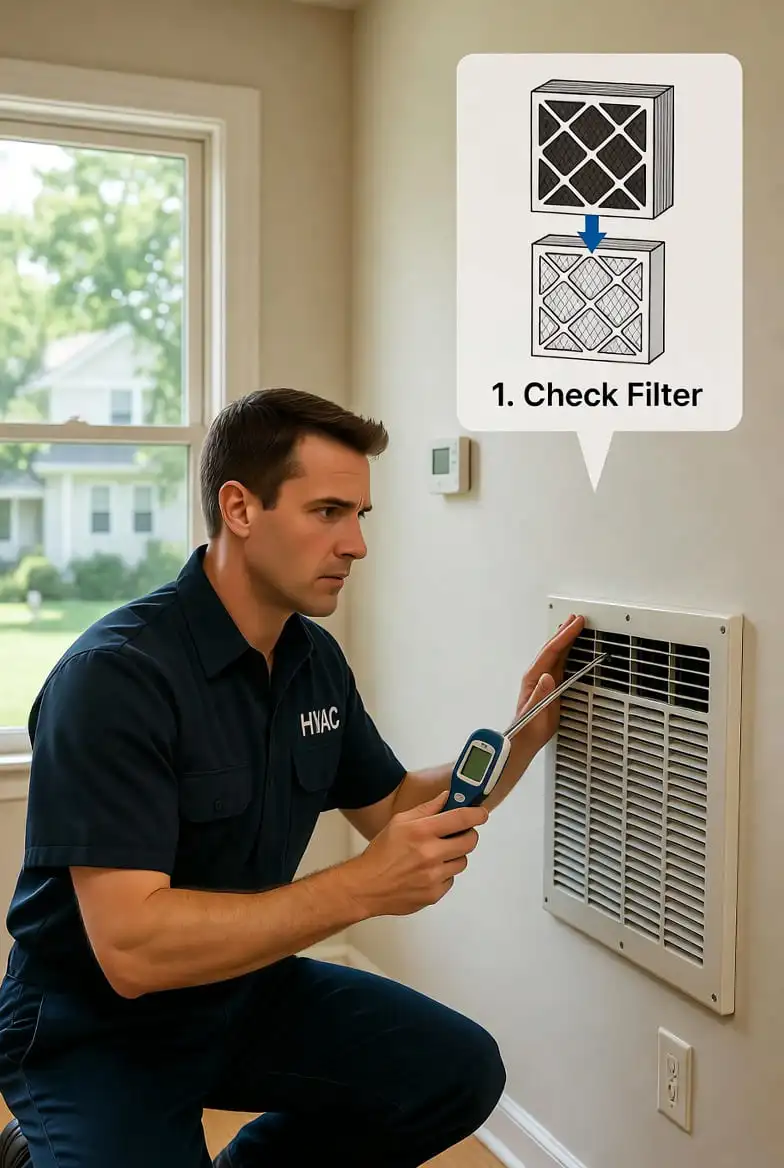
Air filter checked; airflow restrictions noted (returns/supplies).
-
Electrical connections inspected; key components checked for wear.
-
Heating performance verified (start-up, run, shut-down; abnormal sounds/cycling).
-
Cooling performance verified (where applicable; airflow and common failure points).
-
Condensate/drainage inspected for clogs, leaks, or moisture issues.
-
Hydronics/boiler basics checked (if present): stable heat delivery, leaks, controls.
-
Final run test + clear recommendations (“fix now” vs “plan soon”).
Why annual HVAC maintenance matters
Annual maintenance is about three practical outcomes: reliability, efficiency, and safety. Reliability means fewer surprise failures during a cold snap or heat wave, because worn parts and loose connections are discovered early.
Efficiency means your equipment can move air or circulate water with less strain, which often improves comfort and helps prevent rising operating costs. Safety means fuel‑burning equipment and electrical components are inspected so potential hazards don’t go unnoticed.
If you want a quick overview of everything MGM can help with beyond tune-ups—repairs, replacements, and different system types—start with HVAC services.
What MGM checks (full 1–9 checklist)
Your annual visit should be more than a quick look. A real tune-up is a structured inspection + cleaning + performance check tailored to your home’s equipment (furnace, heat pump, central AC, ductless, boiler/hydronics, or a mix).
1. Quick system review (and your concerns)
Maintenance starts with context. Your technician confirms what equipment you have, then asks what you’ve noticed lately: uneven temperatures, odd smells, short cycling, rattling, weak airflow, or higher bills.
This is important because symptoms often point directly to root causes (airflow restrictions, control issues, drainage problems, or failing parts). The goal is to make the inspection specific to your home—not generic.
2. Thermostat and control operation
The thermostat and controls are the “brain” of the system. During an annual visit, the technician verifies basic thermostat function and confirms your system responds correctly to calls for heat and cool.
Control checks also help catch issues that can look random to homeowners—like intermittent shutdowns, poor cycling behavior, or a unit that runs but doesn’t deliver consistent comfort.
3. Airflow basics: filter, returns, and supply
Airflow is one of the biggest comfort and efficiency drivers in forced-air systems. The technician checks the filter (and that it’s installed correctly), then looks for common airflow restrictions such as blocked returns or closed registers.
Even simple issues—like a return grille covered by furniture—can make a good system feel underpowered. This part of the visit is also a good time to confirm the right filter type and a realistic replacement schedule for your household.
4. Electrical connections and component health
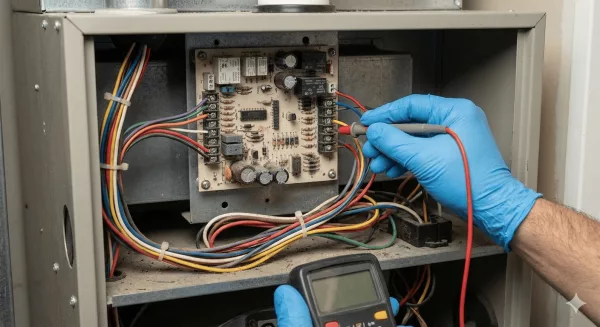
Electrical issues can cause reliability problems and, in some cases, safety risks. During maintenance, the technician inspects wiring and connections for looseness or wear, and checks key electrical components for signs of heat stress or damage.
This step is a major “failure prevention” win: many breakdowns start as small electrical problems that worsen over time until the system quits.
5. Heating tune-up: furnace and heat pump checks
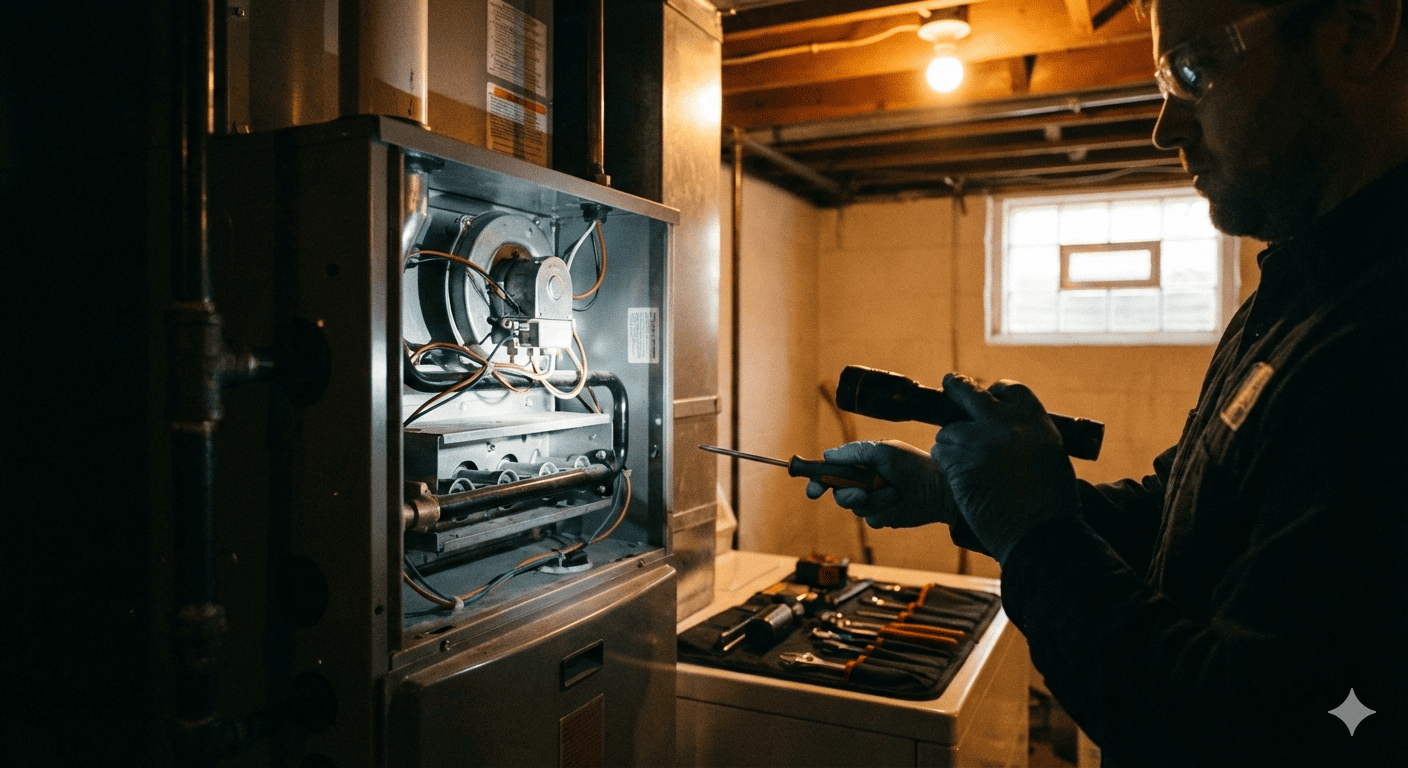
In the Rochester area, heating reliability is usually the top priority. A proper heating tune-up verifies that the system starts normally, runs steadily, and shuts down correctly—without unusual noises, short cycling, or delayed operation.
For gas furnaces, the technician focuses on safe, stable burner and ignition behavior and checks for signs of abnormal operation. If your home uses a heat pump (or ductless heat pump), the focus is still performance and consistency—especially during cold weather.
For homeowners who want to explore repair, replacement, or seasonal service options, link out here to heating services.
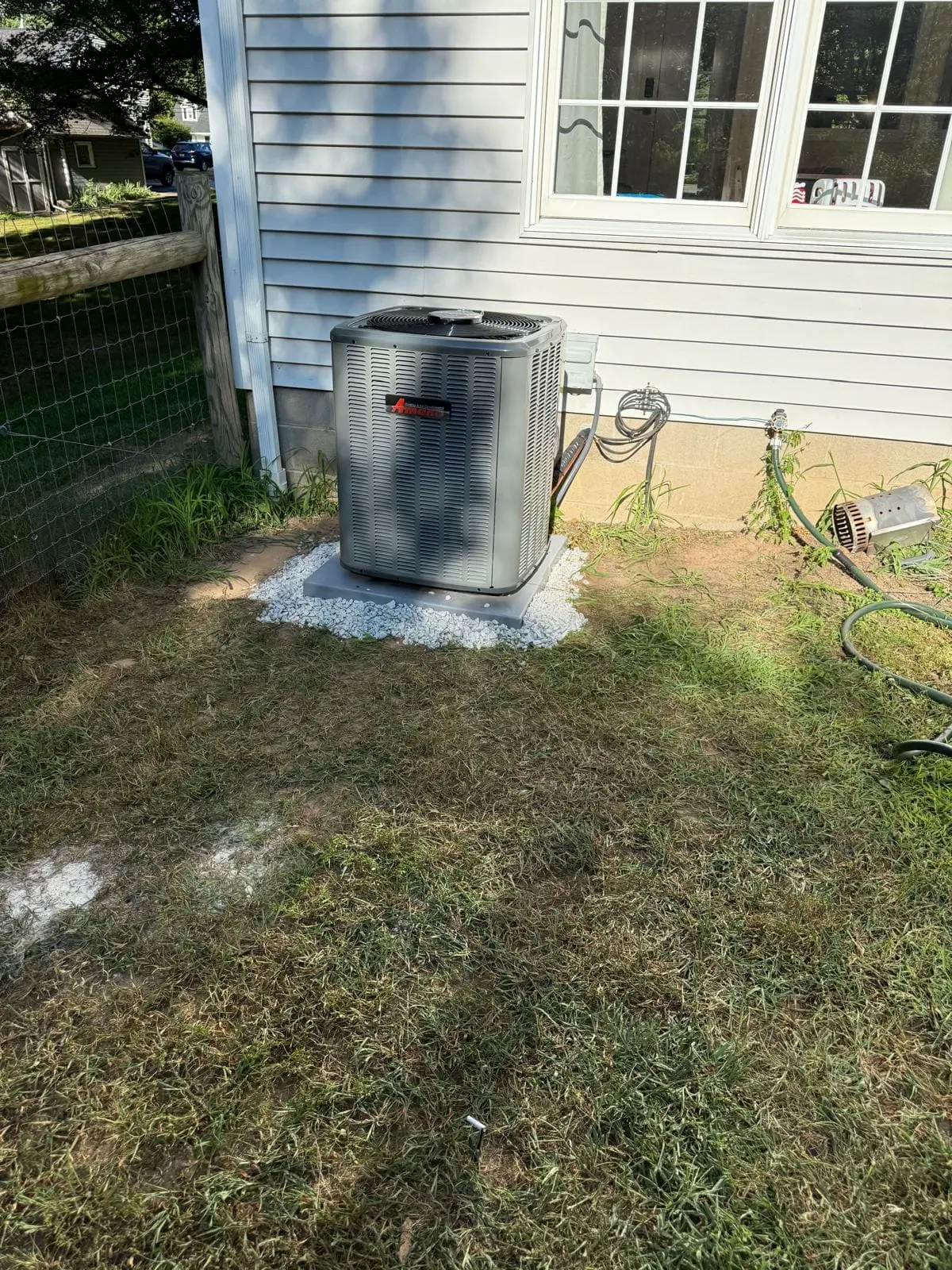
6. Cooling tune-up: AC and ductless performance checks
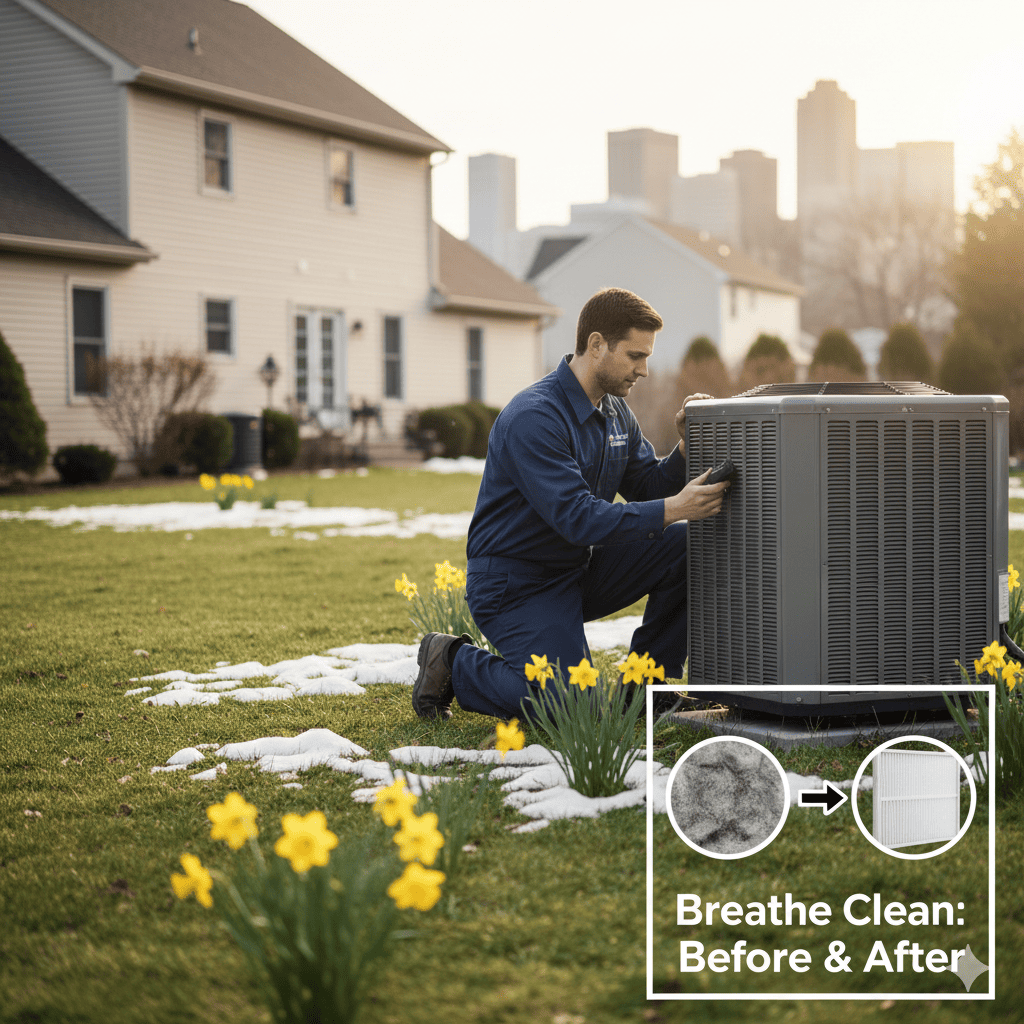
Cooling issues often show up right when the first hot week hits—when schedules are busy and systems are under maximum load. A cooling-side check helps identify problems early, especially in systems that sit idle for months.
The technician verifies normal operation, looks for airflow problems that reduce comfort, and checks for conditions that commonly trigger summer breakdowns (including drainage-related problems). If your next step is repair or upgrading equipment, point readers to cooling services.
7. Condensate and drainage (leak prevention)
Condensate is easy to ignore until it causes damage or shuts the system down. During annual maintenance, the technician checks the condensate drain path and looks for signs of moisture where it shouldn’t be.
This is a practical step that helps prevent water damage, musty odors, and avoidable service calls—especially for high-efficiency equipment and cooling systems.
8. Hydronics and boiler considerations (if you have them)
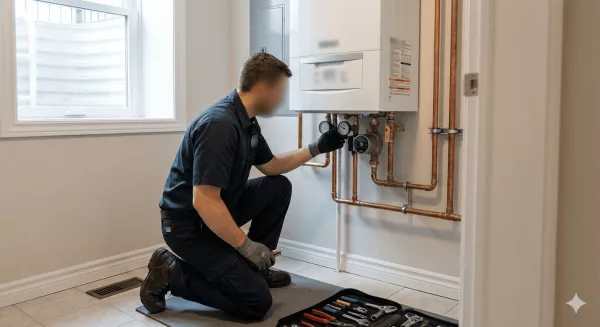
Not every home is forced-air. Many Rochester-area homes use boilers or hydronic systems (baseboard hot water, radiant, or other hot-water distribution). Hydronic maintenance should verify safe operation, stable heat delivery, and no signs of leaks or control problems.
If you have a mixed system (for example, boiler heat + central AC), a whole-home maintenance plan keeps everything coordinated instead of treating each piece in isolation.
9. Final system test + clear recommendations
The last step is making the visit useful. Your technician should confirm the system runs through a normal cycle and then summarize what was checked, what looks good, and what needs attention.
A good maintenance report separates issues into “fix now” vs “plan soon,” so you can budget and avoid getting forced into decisions during an emergency.
Between-visit homeowner checklist (simple and safe)
Between annual appointments, homeowners can do a few low-risk steps that help reduce wear and avoid preventable breakdowns:
-
Replace or clean your filter on schedule.
-
Keep return grilles and supply registers unobstructed.
-
Pay attention to warning signs like new noises, burning smells, repeated short cycling, or weak airflow.
These steps won’t replace professional maintenance, but they can keep your system running smoother and help you spot issues early.
Local coverage (without keyword stuffing)
MGM serves the Greater Rochester region. If you want a starting point for the core market, visit Rochester HVAC.
If you’re in a nearby community, you can also use city pages to get to the right service path without digging—like Brighton HVAC.
For homeowners a bit farther out, Canandaigua HVAC is another helpful local page to start from.
When to call (and when it’s an emergency)
Some problems shouldn’t wait for your next scheduled tune-up. If you lose heat, lose AC during extreme temperatures, notice repeated shutdowns, or suspect a safety issue, it’s time to contact a professional.
MGM offers 24/7 emergency HVAC service for urgent situations.
If you need 24/7 emergency help, call 585‑490‑5084 or contact us.
FAQ (7)
1) How often should I schedule annual HVAC maintenance in Rochester, NY?
Once per year is a solid baseline; some homeowners prefer seasonal checks (heat before winter, AC before summer) depending on system type and usage.
2) Is a “tune-up” the same as an inspection?
A proper tune-up usually includes inspection plus cleaning and performance checks—more than a quick visual look.
3) What’s the #1 thing I can do between professional visits?
Change your air filter on the right schedule for your home and keep vents/returns unobstructed.
4) Do you service boilers and hydronic heating too?
Yes—if your home has hydronic heat, your maintenance visit should include hydronic-specific checks, not just a forced-air checklist.
5) When should I call instead of waiting for my yearly maintenance?
If you have no heat/no AC during extreme weather, repeated shutdowns, burning smells, unusual noises, or signs of a water leak near the equipment.
6) Can annual maintenance help lower energy bills?
Often yes—especially if the visit corrects airflow restrictions, addresses cycling/control issues, or catches failing electrical components early.
7) What should I expect at the end of the appointment?
A clear summary of what was checked, what’s in good shape, and prioritized recommendations (urgent vs can-wait).