
Quick answer: Ask for a dated record identifying the installed equipment, checks performed, measured results, relevant manufacturer criteria and any unfinished work. A useful report connects the actual installation with its test conditions and explains what was verified. It should not simply say that the heat pump turned on. Technical testing and adjustments belong to qualified professionals.
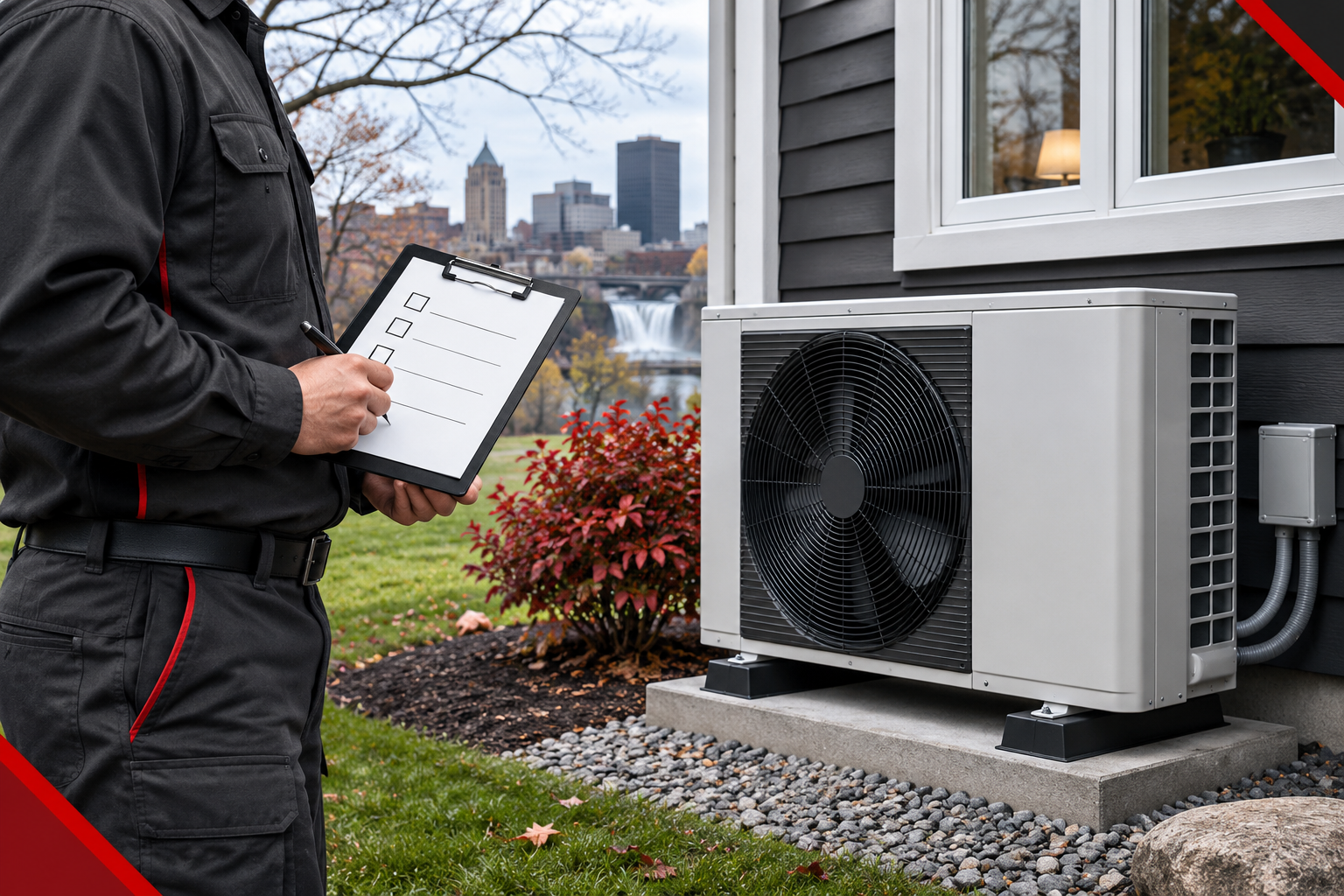
Agree on the record before the installation
Ask what commissioning documentation is included when reviewing the proposal. Contractors may use manufacturer forms, software-generated records or their own worksheets. The format matters less than whether you can identify the system, understand the results and see what remains unresolved.
Explain that you want a copy of the completed record, not a blank checklist. Ask when it will be delivered and who will explain it. If some checks depend on weather or later work, ask how the contractor will document the limitation and arrange the next step.
ENERGY STAR’s quality-installation guidance highlights sizing, airflow, refrigerant charge and duct evaluation. Those topics provide a useful starting point, but the applicable checks depend on the equipment and installation. A ductless system and a ducted system should not be forced into an identical report.
Start with the identity of the installed system
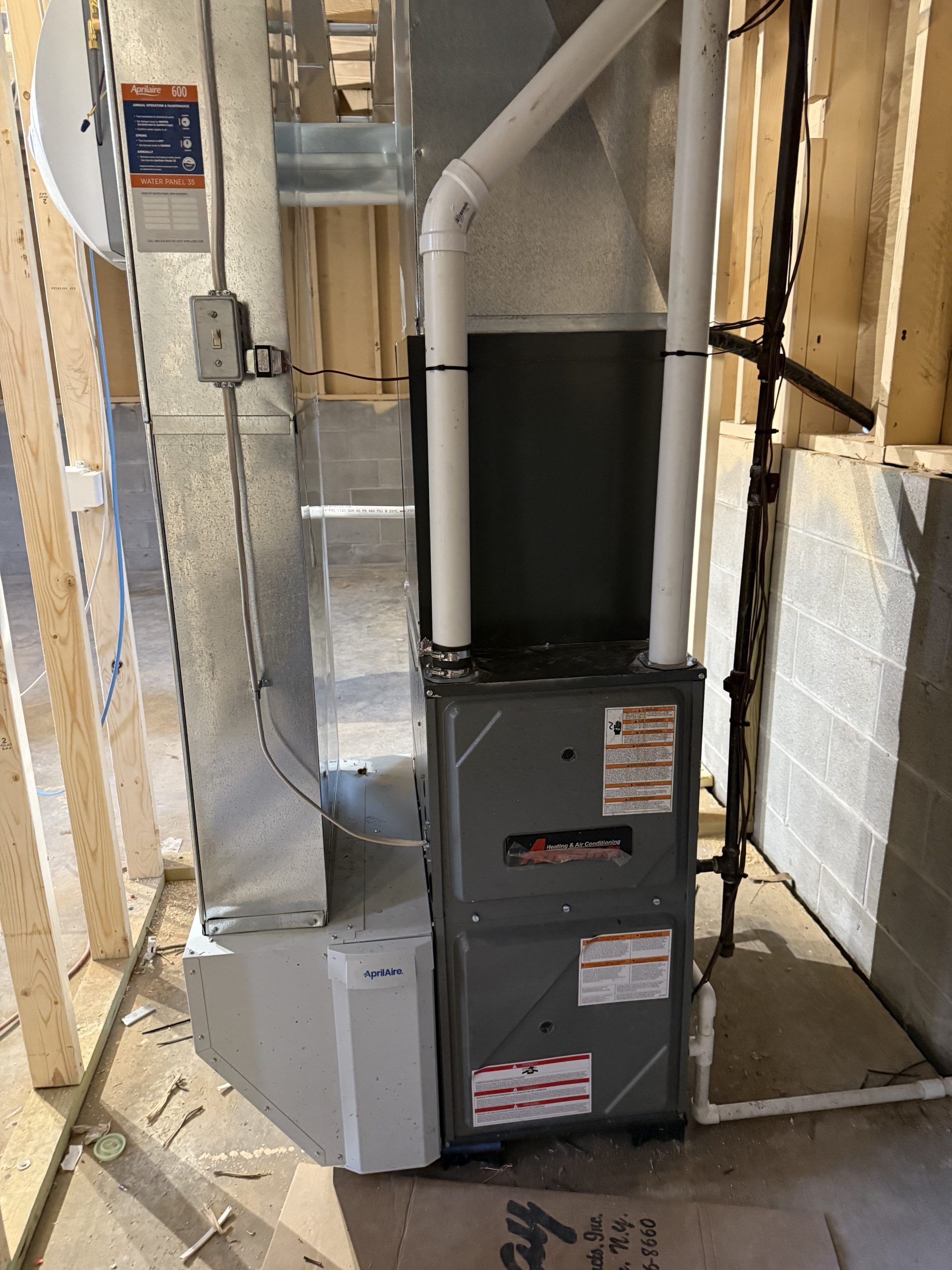
The record should make clear which equipment was checked. Ask for the outdoor and indoor model numbers, relevant serial numbers, installation address and date of testing. For a system with several indoor units, each should be identifiable by the room or area it serves.
Compare that information with the final equipment schedule. If a component changed after the proposal, ask where the revised selection was documented. A report for the originally quoted combination does not describe a different combination installed later.
For split systems, ask for the applicable matched-system documentation. ENERGY STAR’s bid comparison checklist specifically includes installation records, load calculations, an AHRI certificate and measurement or testing records among the documents to discuss. The checklist is a consumer resource, not proof that one universal paperwork requirement applies to every project.
Look for conditions beside the results
A measurement is easier to interpret when its context travels with it. Ask whether the report identifies the operating mode, relevant indoor and outdoor conditions, settings and the method used. Where a reading is compared with a manufacturer requirement, ask which document or equipment-specific instruction supplies that requirement.
You do not need to judge refrigerant measurements or calculate airflow yourself. The useful homeowner question is, “What does this result show, and what are you comparing it with?” The contractor should explain the significance in ordinary language while retaining the technical detail in the record.
Avoid treating an isolated temperature difference or a single pressure reading as a universal pass-or-fail test. A report should show the professional’s interpretation for this system and these conditions, including any limitations.
Ask what was checked on the air side
For a ducted installation, ask how airflow and the existing distribution system were evaluated. Request the relevant results and the contractor’s explanation of whether they meet the selected equipment’s requirements. If a filter, duct repair or blower configuration is part of that conclusion, it should be identifiable.
For ductless equipment, ask which indoor units were checked and whether their locations, airflow paths and controls were reviewed. Do not assume that a successful test of one unit proves the operation of every room in a multi-unit installation.
The report should distinguish work that was inspected from work that was measured. “Ducts visually inspected” and “duct leakage tested” describe different activities. Neither phrase should quietly substitute for the other.
If the contractor identifies an air-distribution problem outside the agreed scope, ask for the finding and proposed next step in writing. The goal is a clear boundary, not a claim that every existing condition was corrected during the equipment replacement.
Separate installer settings from everyday controls
Ask which control functions were demonstrated and which configuration choices should remain with the service professional. Everyday operation may include selecting a temperature or understanding a displayed operating mode. Installer settings can affect how the system coordinates equipment and responds to demand.
If the installation includes supplemental heat or more than one heating system, ask for a plain-language explanation of how they are intended to work together. Ask which observations should prompt a service call rather than a homeowner adjustment.
For multiple rooms or zones, request a clear label for each control and the area it serves. Ask where the system senses temperature. A controller’s location and a sensor’s location are not necessarily the same, and the owner should not have to guess what a displayed number represents.
Do not enter service menus, change wiring or alter refrigerant or gas settings to reproduce a test. Ask the contractor to explain or repeat a professional check when necessary.
Make unfinished work visible
“Not tested,” “not applicable” and “passed” should remain different outcomes. If a test was deferred, ask why, what conditions are needed and who will complete it. A report can be honest and useful without pretending that every possible operating condition was observed on installation day.
For each unresolved item, record the next action and responsible person. Agree on how you will receive the updated result. A vague promise to “check it later” is harder to follow than a named task tied to a reason.
Also ask whether the unresolved issue affects normal operation, requires a temporary restriction or is simply a documentation item. Have the contractor explain that distinction rather than drawing your own safety conclusion from an unfamiliar notation.
Keep the technical record separate from sales promises
A commissioning report documents the checks it contains. It does not, by itself, guarantee a particular winter bill, prove eligibility for a rebate or establish performance under every future weather condition.
If a proposal includes a savings estimate, ask what assumptions support it and where they are recorded. If a rebate requires documentation, ask which forms the program needs. These records can relate to the same installation without having the same purpose.
Likewise, a permit inspection, an equipment warranty and commissioning documentation answer different questions. Ask for each applicable record rather than treating one as a replacement for all the others.
Use a short review at handover
Before closing the conversation, ask the installer to walk through five points:
- Does the report identify the exact equipment installed?
- Which checks have recorded results and relevant test conditions?
- What criteria were used to interpret those results?
- Which items remain open, and who owns each next step?
- Which controls and observations should the homeowner understand?
MGM’s heating services page provides a starting point for discussing a heating project. Confirm the documentation included in your particular scope rather than assuming a service description promises a specific report.
A useful commissioning record gives the owner and the next service professional a shared starting point. It preserves what was checked, what the results meant and what still needs attention, long after the installation-day conversation is forgotten.
About the Author: Gedeon Shikhman