On a chilly Rochester morning, you switch the thermostat to Heat, hear the fan start, and put your hand over a vent. The air feels cool. Does the furnace need a repair, or is it still starting up?
Begin with a few simple observations: Is the room temperature rising? Does the cool airflow happen only between heating cycles? Is the whole house affected, or just one room? Those details help you decide what to check and what to tell a technician.
This guide focuses on forced-air furnaces. If you have a heat pump or a boiler, see the section below before applying furnace advice to your equipment.
Leave immediately if you notice a safety warning
If you smell natural gas or suspect a gas leak, leave the building and move away. Do not use switches, appliances, or a phone inside. From a safe location, call RG&E at 800-743-1702 or call 911. Do not look for the leak or try to restart the furnace. Follow RG&E’s gas emergency guidance.
If a carbon monoxide alarm sounds, get everyone outside immediately and call 911. Stay outside until emergency responders say it is safe to return. Carbon monoxide cannot be detected by smell. A furnace that appears to be running normally is not proof that the home is safe. See the CPSC’s carbon monoxide safety information.
For smoke or fire, leave and call 911. These situations require emergency help before an HVAC service appointment.
Check the thermostat without changing its wiring
Start with the settings you can see on the screen:
- Select Heat mode.
- Make sure the requested temperature is above the current room temperature.
- Check whether a schedule or temporary hold has changed the setting.
- Look at the separate fan setting.
On many thermostats, Fan On runs the blower between heating cycles. The air moving through the vents during those intervals can feel cool because the furnace is not currently producing heat. Fan Auto usually lets the equipment control the blower with the heating cycle.
The fan setting and the system’s heating/cooling mode are different controls. Check your thermostat manual if the labels are unclear. Replace thermostat batteries only as directed by its instructions. If the problem started after a thermostat replacement, have compatibility and wiring checked professionally. Trane explains these thermostat-related causes.
Notice when the cool air occurs
Brief cool airflow at startup is different from a furnace that runs without warming the house. Some furnaces delay the blower while the heating components warm up; the normal sequence depends on the model.
If there are no safety warnings, allow the normal startup described in your owner’s manual. Observe whether the air warms and whether the room temperature begins moving toward the setting. There is no single waiting time that proves every furnace is working correctly.
If the airflow stays cool, the furnace repeatedly starts and stops, or the indoor temperature keeps dropping, arrange service. Avoid repeatedly resetting the equipment to force it to run. Carrier’s furnace guide describes startup behavior and persistent cold-air symptoms.
Look for simple airflow restrictions
Walk through the rooms before reaching for tools. Move furniture, rugs, and curtains away from supply registers and return grilles. A return grille needs an open path for air to travel back to the system.
Check the air filter if it is a homeowner-accessible maintenance item on your equipment. Follow the manufacturer’s shutdown and replacement instructions, use the specified filter, and observe its airflow-direction markings. If accessing it would expose wiring, burners, or moving parts, ask a technician for help.
The Department of Energy recommends regular filter care and keeping heating outlets unobstructed. Follow your equipment and filter instructions for the appropriate replacement schedule rather than assuming every filter needs the same interval. See the DOE Energy Saver guide.
If airflow remains weak after these basic checks, the cause needs further investigation. Note whether the issue affects one register or the entire house; that distinction is useful when you request service.
For a broader look at professional upkeep, our annual HVAC maintenance checklist explains the thermostat, airflow, and heating-operation checks discussed during a service visit.
A running fan does not prove the furnace is producing heat
The blower moves air, while other components create and control the heat. A fan can run even when the heating process has stopped.
Restricted airflow can cause overheating and trigger a protective shutdown. Other possibilities include ignition, flame-sensing, control, or blower problems. Similar symptoms can have different causes, so a cold vent alone cannot identify a failed part. Trane’s blower troubleshooting guidance explains these distinctions.
Leave internal inspection and repair to a qualified HVAC technician. Do not bypass a safety switch, adjust a gas valve, clean burner components, or open electrical compartments. If a fault code is visible on the thermostat or through an existing viewing window, photograph it without removing a panel. That may help the technician understand what happened.
Heat pumps and boilers need a different approach
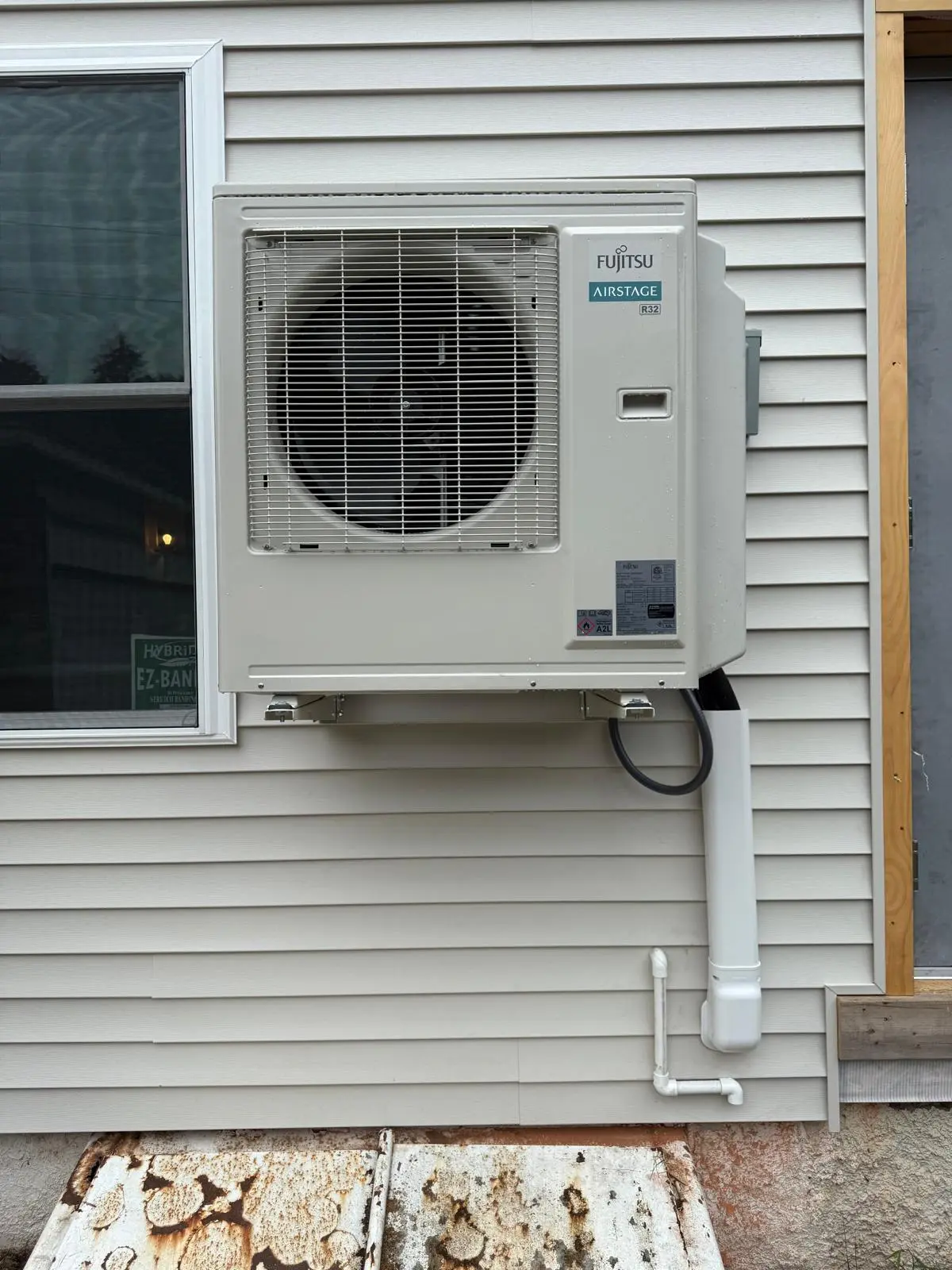
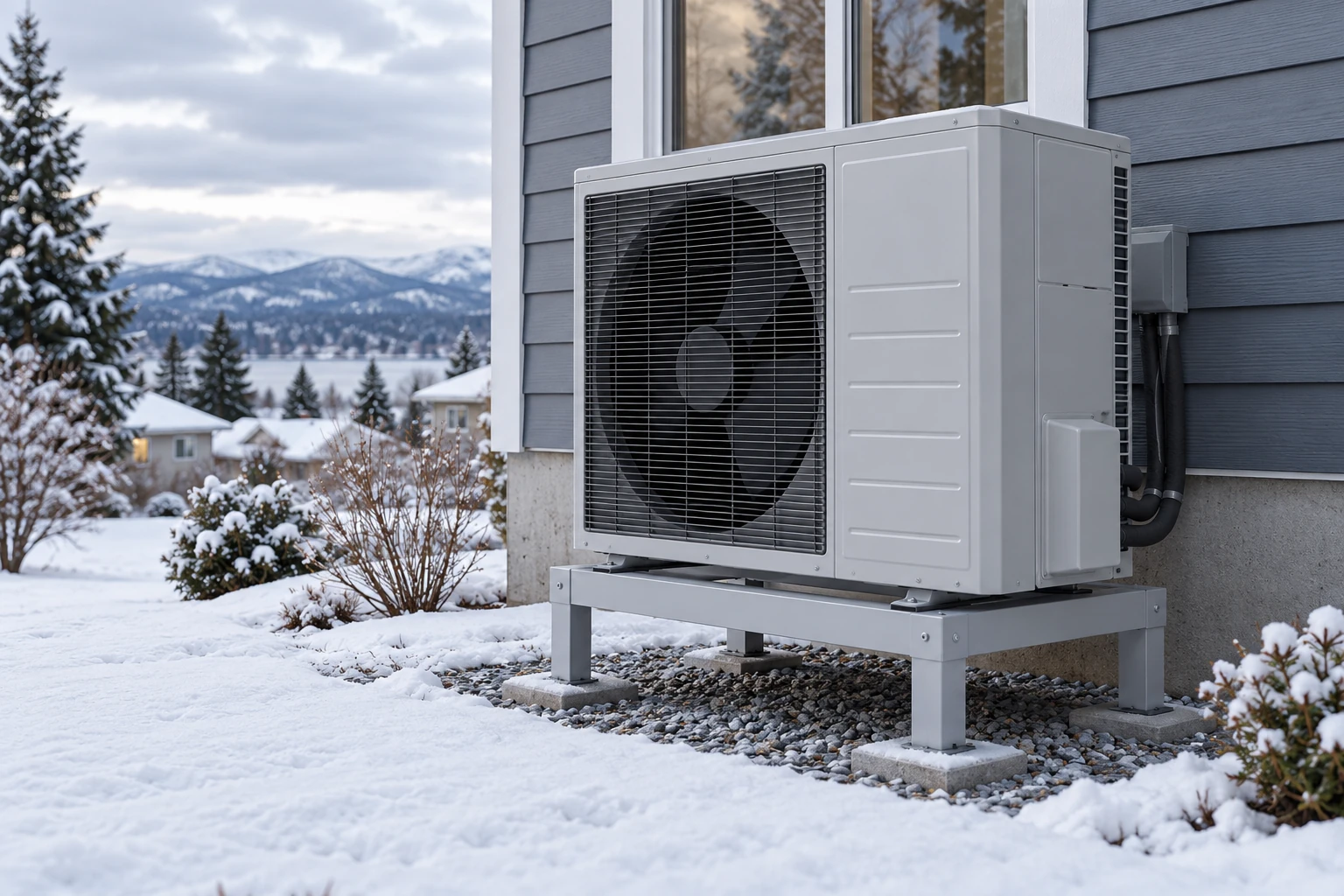
A heat pump’s supply air can feel less hot than air from a gas furnace even while it is heating the home. The room temperature and the system’s ability to maintain the setting are more useful observations than how the vent feels to your hand. Persistent falling temperatures still deserve attention. Carrier explains heat-pump cold-air complaints.
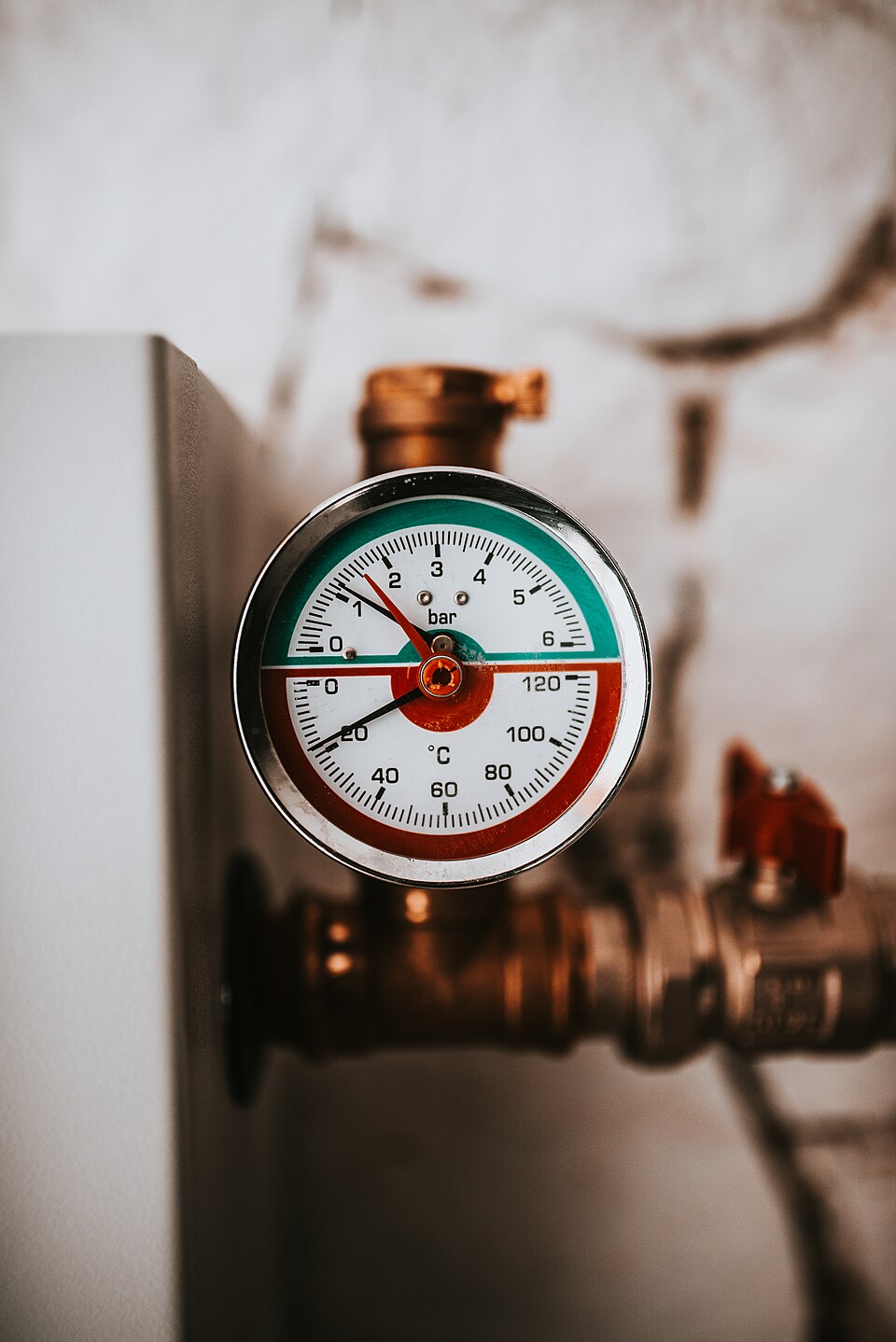
Boilers distribute heat through water or steam rather than furnace supply ducts. If your radiators or baseboards stay cold, describe that symptom when requesting boiler and hydronic service. Do not apply furnace filter or burner instructions to a boiler.
What to tell us when you call
A few details can make the conversation more useful:
- Your thermostat’s current temperature and requested setting
- Whether the fan runs continuously or only at intervals
- Whether any rooms receive warm air
- When you first noticed the problem
- Any visible fault message and recent filter or thermostat changes
You do not need to diagnose the furnace before calling. If safe basic checks do not restore heat, contact MGM Heating and Cooling at (585) 490-5084 or request furnace repair in Rochester. Tell us if the indoor temperature is falling quickly or anyone in the home needs urgent help staying warm. For suspected gas leaks, carbon monoxide alarms, smoke, or fire, follow the emergency steps above first.
For more on warning signs and planning a repair, see our furnace repair guide for Pittsford homeowners.
About the Author: Gedeon Shikhman